News | January 27, 2026

Blood Lead Programs: Best Practices from ABR Member Leaders

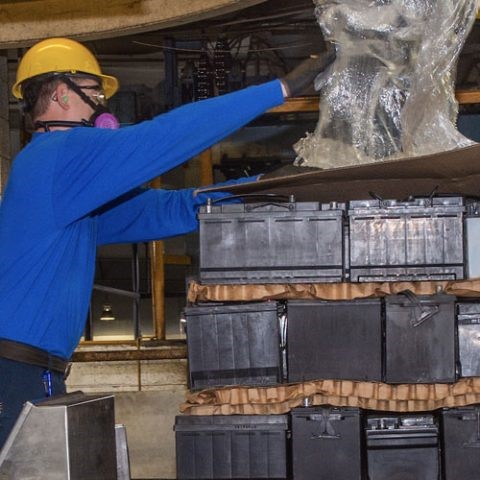
Workers at a lead battery recycling facility training on safety protocols designed to reduce lead exposure.

The Association of Battery Recyclers (ABR) recently brought together industry leaders for an in-person member meeting, reinforcing the organization’s long-standing commitment to collaboration and the advancement of best practices across the lead battery recycling sector. With multiday meetings held twice each year, these gatherings provide an important forum for members to exchange insights, address shared challenges, and work collectively toward a safer, more sustainable industry.

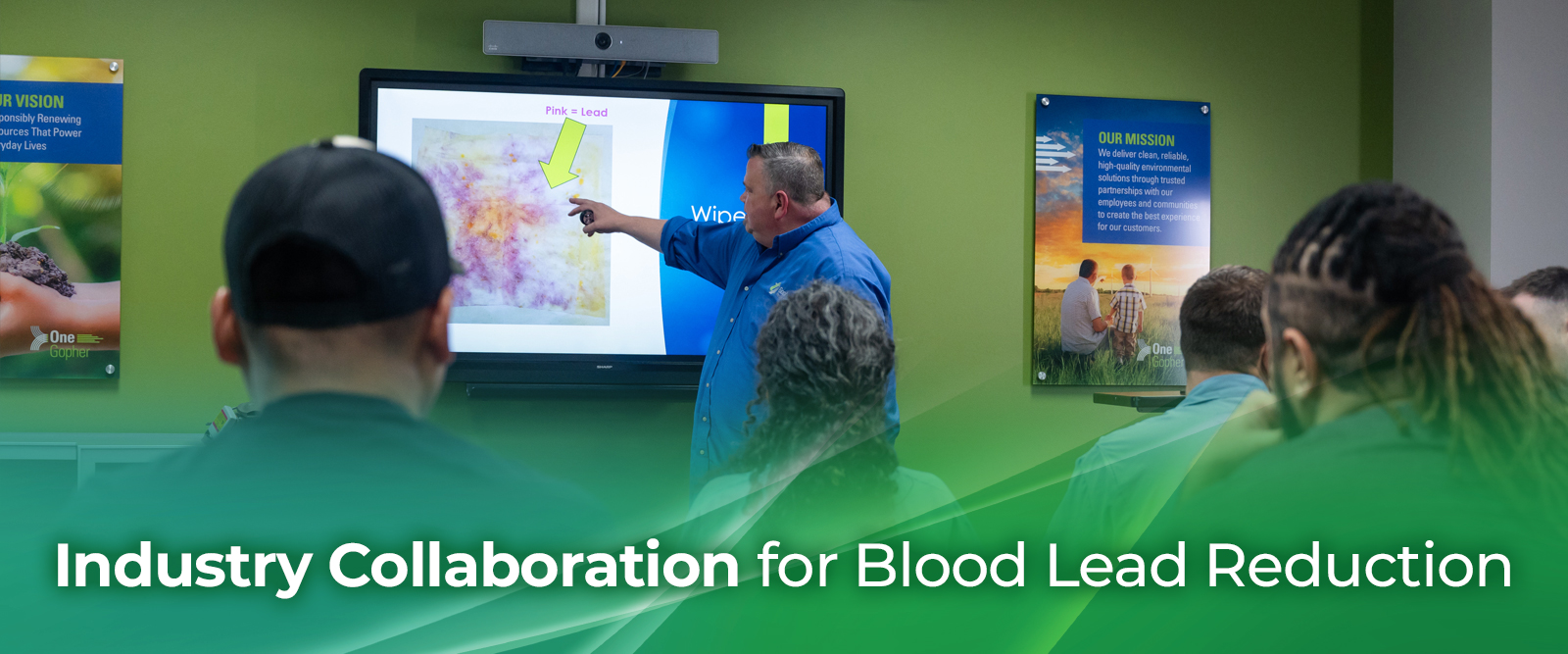
A central focus of the meeting was continued blood lead reduction, a critical priority that reflects the industry’s deep commitment to protecting its most valuable asset: its people. Among the highlights was a panel discussion featuring representatives from Ecobat and Element Resources, who shared their comprehensive approaches to blood lead programs and the proactive steps they’re taking to safeguard employee health.

Collaborative Learning in Action

The panel discussion exemplified the collaborative spirit that defines ABR meetings. Jenn Meglic, Director of Health, Safety & Workers’ Compensation at Element Resources, joined Mark Hoffman, Environmental Director at Ecobat, to present their respective blood lead programs. The presentation covered key elements including blood lead monitoring protocols, employee counseling approaches, facility design considerations, and creative engagement activities designed to reinforce safe hygiene practices.

An interactive question-and-answer format allowed participants from across the industry to explore specific challenges and solutions. Attendees shared practical implementation strategies, from establishing effective decontamination procedures to developing incentive programs that encourage employees to maintain safe blood lead levels.

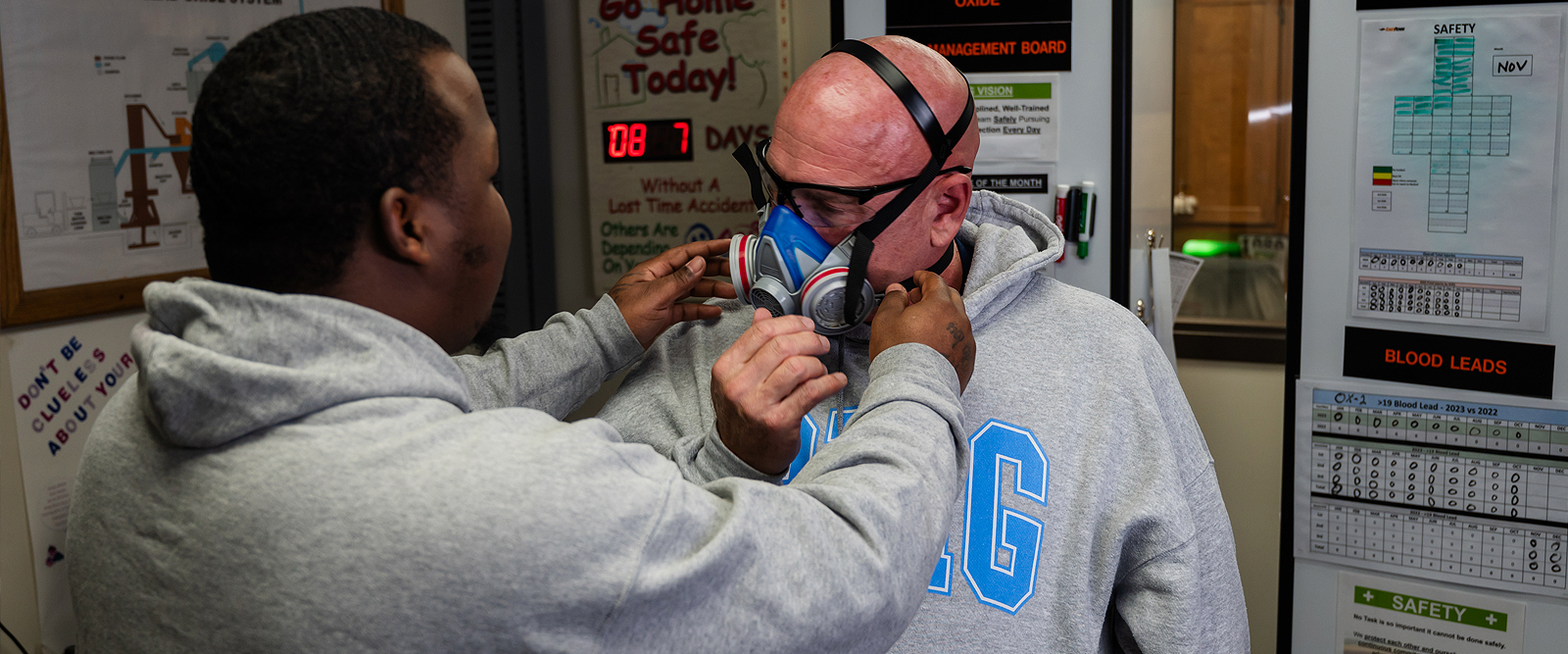
Lead battery recycling employee mentoring of how to secure respirator to reduce lead exposure.

Putting People First: A Commitment to Employee Well-Being

The strategies shared during the panel went beyond compliance and demonstrated a genuine commitment to employee health and safety. Both companies emphasized that their workforce represents their greatest asset, and protecting workers from lead exposure isn’t just good policy, it’s the right thing to do.

The programs highlighted during the session included structured mentoring and regular counseling that create consistent, supportive touchpoints with employees. These efforts help individuals understand and manage their blood lead levels through ongoing communication and personalized guidance. This human-centered approach recognizes that success depends on partnership between safety teams and employees, built on trust, education, and mutual respect.

From weekly counseling sessions to creative engagement activities like the “No Touch Food Challenge,” these programs make safety personal and memorable. They reinforce the idea that behind every blood lead number is a person, someone’s family member, colleague, and friend, whose health and well-being matters deeply to the organization.

Advancing Industry Standards Together

This type of open knowledge sharing reflects the fundamental value of ABR membership. When companies openly discuss their blood lead programs, including both successes and ongoing challenges, the entire industry benefits. The meeting demonstrated how battery recyclers are working together to advance industry practices, apply proven strategies, and continuously improve employee safety outcomes.

Topics covered during the panel included:

  • Comprehensive monitoring programs with quarterly and monthly blood draws
  • Structured mentoring and counseling protocols for employees
  • Facility design and workflow considerations to minimize cross-contamination and exposure reduction
  • Employee engagement activities that make control practices memorable and effective
  • Ventilation studies and engineering controls to address air lead
  • The critical role of hygiene practices
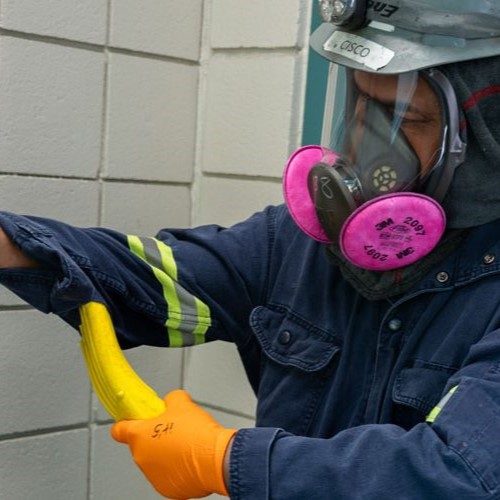
Lead battery recycling employee scrubbing her nails to reduce lead exposure.

Building on a Strong Foundation

The North American lead battery recycling industry has established itself as a leader in occupational health management, with blood lead programs that consistently deliver strong results. Through significant investments in ventilation systems, facility design, monitoring protocols, and employee training, the industry has achieved blood lead levels that reflect best-in-class performance.

The discussions reinforced a culture of continuous improvement, driven not by compliance alone, but by a commitment to excellence. Companies are actively working to incorporate emerging technologies, refine established practices, and remain at the forefront of worker health and safety.

Looking Ahead

As the lead battery recycling industry continues to advance environmental sustainability and circular economy principles, the focus on blood lead reduction and employee health remains paramount. The insights shared at this ABR member meeting reinforced that responsible recycling means protecting both the environment and the people who make this essential work possible.

The dedication to blood lead reduction highlighted through these discussions reflects a broader industry truth: when companies invest in employee health and safety, everyone benefits. Healthier employees, stronger operations, and a more sustainable industry are all outcomes of prioritizing blood lead control.

ABR’s semi-annual member meetings continue to serve as vital forums where companies of all sizes can learn from one another, build relationships, and strengthen the industry’s collective commitment to excellence. By sharing best practices on critical topics like blood lead reduction, ABR members are helping ensure the lead battery recycling industry sets the standard for safe, sustainable operations that put people first.

For more information about ABR membership, visit Membership Information.

Share:
Skip to content