
Lead batteries are among the most recyclable consumer products on the planet. Nearly every component — from the lead and plastic to the electrolyte — is reclaimed and reused, creating a sustainable lifecycle. This proven closed-loop process keeps critical minerals and other valuable materials in circulation while supporting the batteries that power transportation, communications, energy storage and other essential infrastructure.

Click on the icons in the circle to learn more.
Lead batteries are engineered with sustainability and recyclability in mind. Innovative designs help ensure components can be efficiently recovered and reused, keeping valuable materials in circulation while minimizing waste.
New lead batteries are sustainably produced using recycled lead, plastic, and other materials. Over 90% of lead batteries sold in the U.S. are produced in North America.
Every day, businesses and consumers rely on lead batteries to keep operations running smoothly and efficiently. Lead batteries provide essential power for transportation, communications, data centers, energy storage, hospitals and other critical infrastructure, helping keep us moving, connected and protected.
When batteries reach the end of their life, 98% are collected for recycling — the highest recycling rate of any consumer product. More than 300,000 collection sites in the U.S. make recycling convenient for everyone.
Spent batteries are broken down into their core materials — lead, plastic, and acid. These materials are processed, refined, and purified for reuse in new batteries. A typical new lead battery is made from 80% recycled material, reducing the need for raw resources while recovering critical mineral lead and other valuable materials for reuse.
Lead batteries demonstrate the power of a proven circular economy. Watch our Circular Economy Video to see how this closed-loop model works in action and how lead battery recycling conserves resources, keeps valuable materials in circulation and strengthens the domestic supply of critical minerals.
Circular practices in lead battery recycling drive meaningful benefits for society and the environment.
Environmental Advantages
Economic Benefits


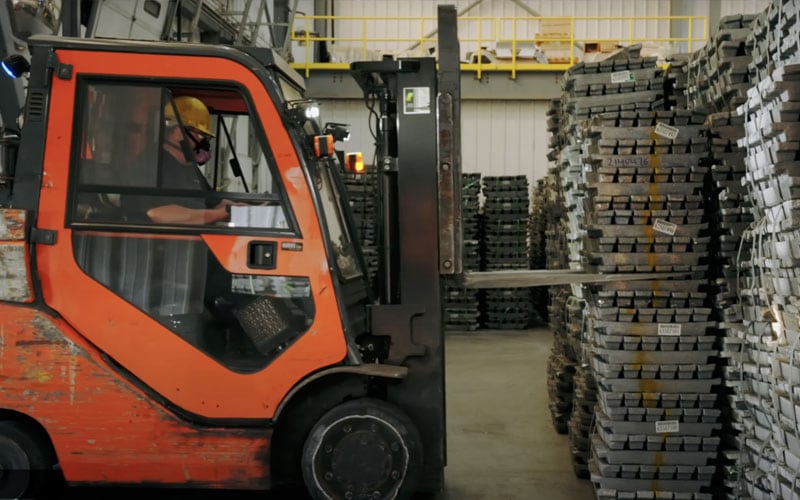
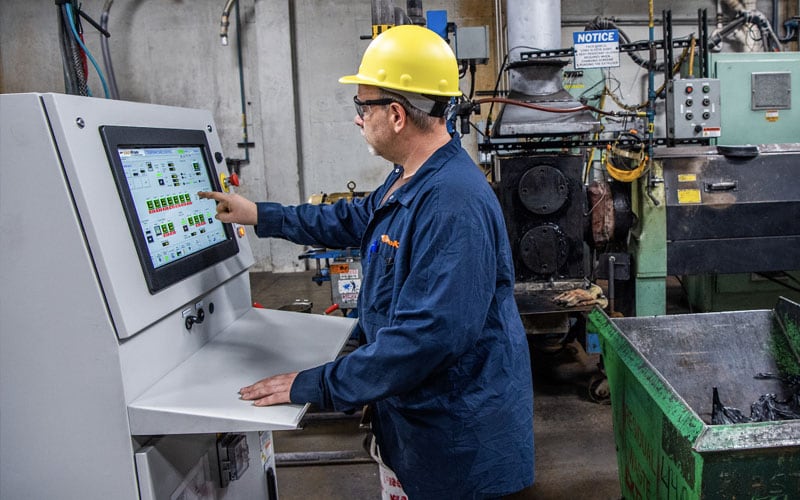


Lead batteries demonstrate what a successful circular economy can achieve. Through responsible recycling, valuable materials are recovered and returned to U.S. manufacturing, reducing the need for newly mined resources while strengthening the domestic supply of critical minerals. By keeping these materials in circulation, ABR member companies help support essential infrastructure, American manufacturing and a more resilient domestic supply chain.
