News | February 11, 2026

Lead Joins Critical Minerals List: A Milestone for Battery Recycling

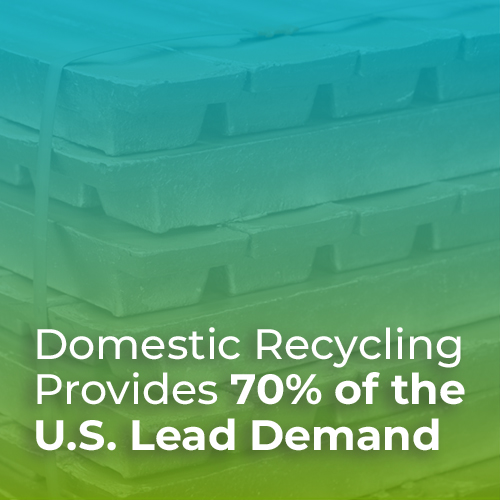
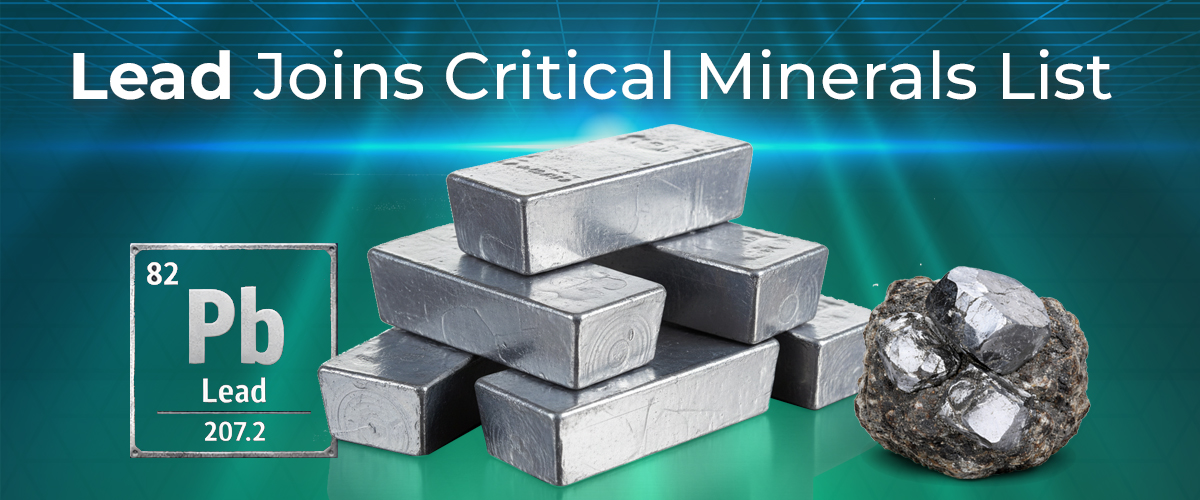
Lead ore and ingots announcing lead being added to the U.S. critical minerals list.

The U.S. Geological Survey announced major news in November 2025: lead has been added to the Final 2025 List of Critical Minerals. For ABR members, this designation validates what we’ve always known—battery recycling is essential infrastructure that secures America’s domestic supply of critical materials.

This isn’t just symbolic recognition. Lead joins 59 other minerals deemed essential to economic and national security while facing supply chain vulnerabilities. The designation opens doors for recycling infrastructure to receive appropriate recognition in federal investment programs, supply chain assessments, and policy frameworks.


Why This Matters Now

The U.S. produces zero primary lead. Lead concentrates from domestic mines are exported for processing. Without battery recycling, we would depend entirely on foreign imports for a material that powers nearly 300 million vehicles, hospital backup systems, military installations, and critical infrastructure nationwide.

U.S. lead battery recycling supplies 70% of domestic lead demand by recovering materials from over 160 million batteries annually at a 99% recycling rate. We’re not just recycling batteries—we’re operating the domestic recovery infrastructure that keeps America’s essential systems running.

A Real-World Test of Supply Chain Resilience

The strategic importance of domestic recycling became clear in December 2024 when China imposed export restrictions on antimony—another critical mineral recovered during battery recycling. Antimony prices doubled overnight. Industries dependent on Chinese imports faced immediate uncertainty.

Lead battery recyclers continued operations, recovering antimony alongside lead and tin from the same recycling stream. When foreign supply chains failed, domestic infrastructure proved its reliability.

The Export Challenge

However, unlawful exports of spent lead batteries threaten this domestic supply security. These exports allow critical minerals—lead, antimony, and tin—to leave the United States and North America circular economy, undermining the infrastructure ABR members have built.

Curtailing unlawful exports would allow current recycling facilities to operate at full capacity and encourage investment in future expansion. Enforcing existing regulations protects the critical minerals infrastructure that keeps America’s essential systems running.

What Comes Next

Critical minerals designation informs federal investment priorities, trade policy, workforce development, and research funding. Lead’s inclusion creates opportunities for the recycling sector to participate in conversations traditionally dominated by mining interests.

This recognition matters because when an industry supplies 70% of domestic demand for a critical mineral while achieving the highest recycling rate of any consumer product, it deserves acknowledgment proportional to its contribution.

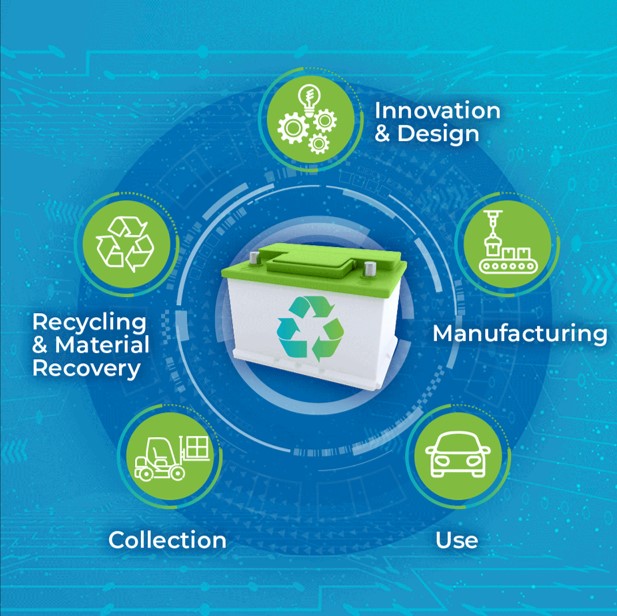
For ABR members, the work continues as it always has—recovering critical minerals, supporting domestic manufacturing, and proving that circular economy infrastructure delivers both environmental and strategic value.

Dive Deeper into Critical Minerals Recovery

Want to understand the full scope of critical minerals recovery through battery recycling? Visit our new webpage: Critical Minerals & Battery Recycling to explore how the industry secures a domestic supply of lead, antimony, and tin while supporting communities nationwide.

Share:
Skip to content