News | August 11, 2026

Lithium Batteries in the Lead-Acid Battery Recycling Stream: What the Industry Is Doing About It

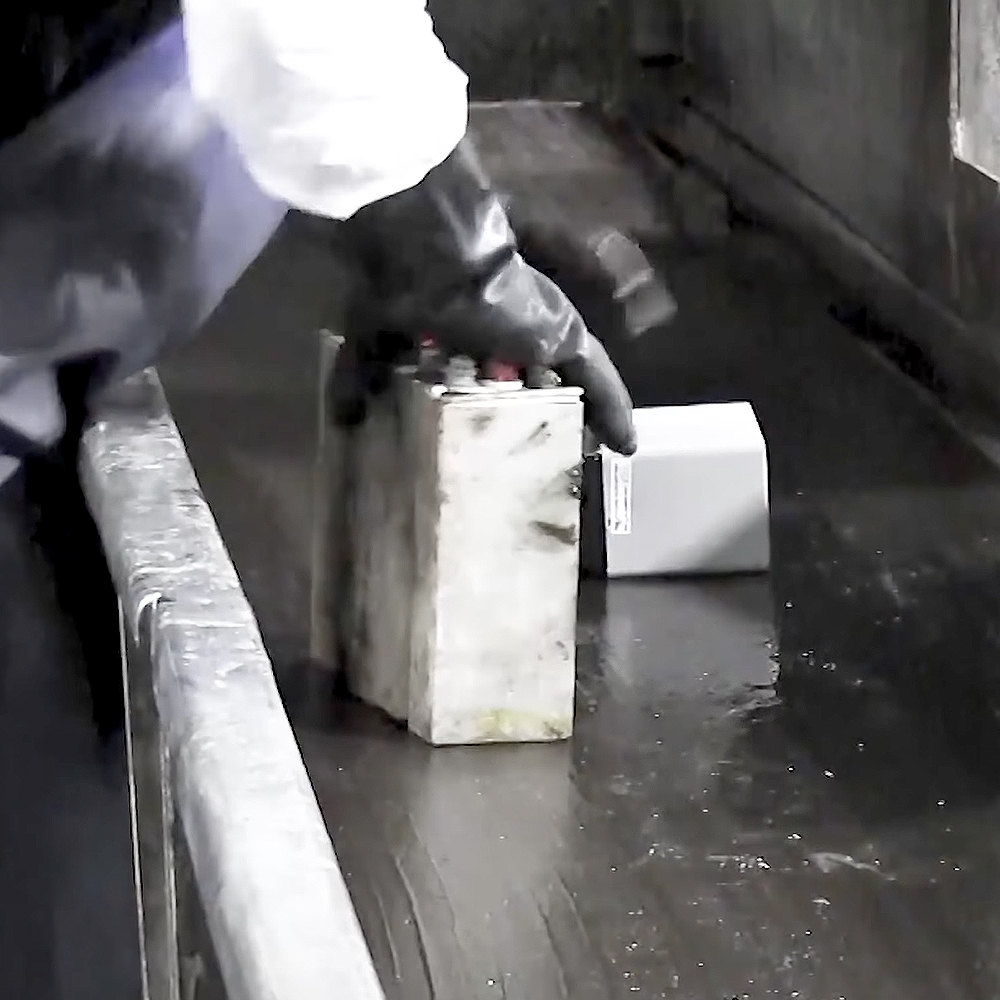
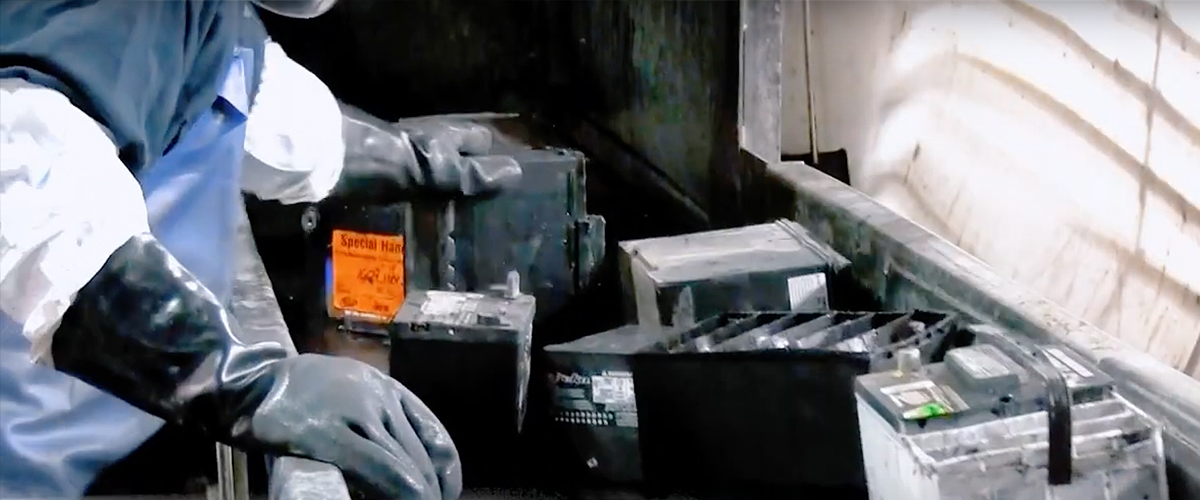
Worker sorting lead batteries to identify and remove lithium batteries from the recycling stream.

Insights from the ABR Spring Meeting Panel | May 2026

Lead-acid battery recycling is one of the great sustainability, manufacturing, and circular economy success stories in the United States. More than 98% of spent lead batteries are recycled, making it the most successfully recycled consumer product in the country. But a new challenge is testing this highly effective infrastructure: lithium batteries are increasingly finding their way into lead battery recycling streams, and the industry is responding with the same commitment to safety, innovation, and continuous improvement that has defined it for decades.

At the 2026 ABR Spring Meeting, industry leaders gathered to address this challenge head-on. Troy Greiss, Vice President of EHS and Regulatory Affairs at East Penn Manufacturing, and Chris Rutherford, Manager of Environmental Services at Sanders Lead, shared what they are seeing on the ground and what facilities across the country are doing to manage it.

Why Are Lithium Batteries Showing Up in Lead-Acid Recycling Streams?

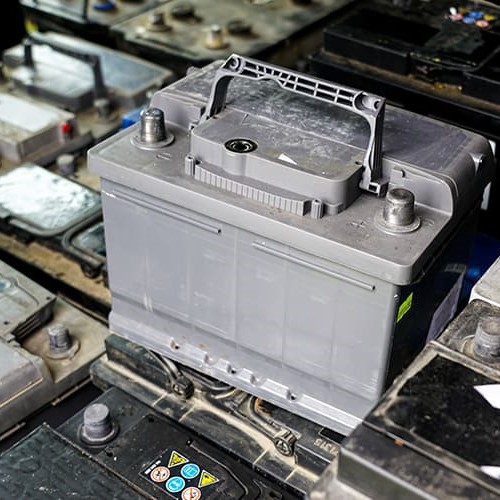
The short answer: volume and variety. As lithium batteries become more common across transportation, energy storage, backup power systems, material handling equipment, power tools, and other applications, they are increasingly entering collection and recycling channels where they do not belong. They arrive without clear labeling, sometimes damaged, and in a wide range of chemistries and formats that lead battery recycling facilities were not designed to process.

Greiss shared operational data showing a steady rise in non-lead batteries entering his facility in recent years. As frequency increases, so do the potential consequences:

  • Greater likelihood of thermal incidents
  • Increased operational disruptions
  • Rising costs tied to segregation, handling, and disposal

This is not a problem unique to lead-acid battery recyclers. According to the EPA’s analysis of lithium-ion battery fires in waste management, nearly every material recovery facility in the United States reported a fire between 2014 and 2020, with lithium batteries a leading cause. Across the battery ecosystem, organizations are working to address the growing challenge of misplaced lithium batteries. ABR members are investing in training, handling procedures, detection technologies, and industry collaboration to help ensure batteries are routed to the appropriate collection and recycling channels and managed safely when they are not.

How Are Lead-Acid Battery Recyclers Detecting Lithium Batteries Today?

Currently, most facilities rely on trained employees as the primary line of defense, supported by administrative controls and structured protocols.

Panelists described how employee training serves as the foundation of battery identification programs. Workers are trained to recognize:

  • Labels and markings that indicate non-lead chemistries
  • Differences in size, weight, and construction
  • Signs of damage, including swelling, punctures, and leaks
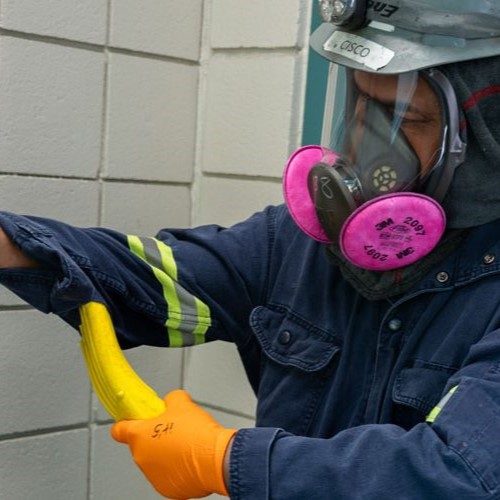
Worker identifying and removing a lithium battery from the lead battery recycling stream.

Employees are also trained to watch for early warning signs before batteries reach processing equipment, including:

  • Bulging or deformation
  • Leaking fluids
  • Smoke, sparks, or unusual odors
  • Visible physical damage

When a suspect battery is identified, operations can be paused so it can be safely removed from the processing stream.

As Chris Rutherford noted, “The most important thing we’ve found is making sure employees are properly trained to identify them — how they look, how they feel, and how they behave.”

What Happens After a Lithium Battery Is Identified?

Once a lithium battery is flagged, facilities follow structured handling protocols designed to contain risk:

  • Immediate removal from processing lines
  • Inspection for damage or defects
  • Temporary staging based on battery chemistry
  • Terminal management to prevent short circuits
  • Placement in designated, non-conductive containers

For damaged batteries, additional precautions apply:

  • Use of absorbent materials such as vermiculite
  • Storage in non-metallic containers
  • Adequate spacing between batteries to reduce the risk of fire spread

Facilities also follow universal waste protocols, including labeling with collection dates, controlled storage environments, and ventilation to manage potential gas release.

How Should Facilities Respond When a Lithium Battery Fire Occurs?

Even with strong prevention measures in place, incidents can happen. Responding to a lithium battery fire requires a different approach than traditional fire suppression.

Key principles shared by panelists:

  • Isolate and secure the area immediately
  • Ensure all responders are equipped with appropriate PPE
  • Use the right suppression method for the battery chemistry involved

Water can be effective for controlling lithium-ion fires in certain scenarios, but lithium metal fires may require specialized suppression agents. Continuous monitoring after initial suppression is essential, given the risk of re-ignition as additional cells enter thermal runaway.

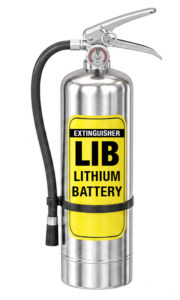
Facilities are also evaluating new response tools, including immersion drums for overheating batteries, fire blankets, containment systems, and commercially available lithium-specific emergency kits.

What Technologies Are Coming to Help?

Both panelists were clear that while trained employees remain the most critical layer of defense today, the industry is actively investing in the next generation of detection and response tools. Technologies currently being explored include:

  • Thermal imaging cameras to detect overheating batteries on processing lines in real time
  • X-ray systems with AI capabilities to identify non-lead chemistries on conveyors before they reach processing equipment
  • Automated detection and removal systems integrated directly into facility operations

These tools aim to reduce reliance on human detection alone, improve response time, and increase consistency across shifts and facilities. Challenges around speed, accuracy, and integration into existing operations remain, but the direction is clear.

How Can the Industry Keep Lithium Batteries Out of Lead-Acid Recycling Streams?

The most effective strategy, panelists agreed, is prevention upstream. Facilities are taking proactive steps, including:

  • Increased communication and education with customers and suppliers
  • Guidance to distributors and collection points on proper battery segregation
  • Outreach materials for warehouses and retail collection programs
  • Cost recovery mechanisms for improperly shipped materials

This upstream focus reflects a principle that runs throughout the lead battery recycling industry: safety is a shared responsibility across the entire supply chain. ABR members are committed to working across the battery ecosystem – including suppliers, distributors, retailers, battery collection sites, recyclers, regulators, and end users – to help keep the right batteries in the right collection and recycling channels.

The Foundation Has Not Changed: Training and People

Despite the advances in technology on the horizon, one theme stood out above all others at the ABR Spring Meeting panel: well-trained employees are still the most effective line of defense.

Today’s training in lead battery recycling facilities is:

  • Hands-on and experience-based
  • Reinforced through real-world incidents
  • Shared through peer-to-peer knowledge transfer among experienced workers

As the workforce evolves, maintaining and transferring this knowledge will be one of the industry’s most important priorities. The panel also discussed opportunities to expand training resources, including updating existing safety videos and materials to reflect the current lithium challenge.

An Industry Built on Safety

Lead battery recycling has earned its reputation as one of the most responsibly managed recycling systems in the world. That reputation is built on exactly the kind of proactive, collaborative response on display at the ABR Spring Meeting: identifying a challenge, sharing knowledge across facilities, and developing layered solutions.

The path forward combines people, process, technology, and collaboration across the entire battery value chain. Through ongoing training, operational improvements, and investments in detection and response capabilities, ABR members are continuing to strengthen an already successful recycling infrastructure while addressing emerging challenges responsibly and proactively.

ABR member meetings bring together industry leaders twice a year to share operational knowledge, best practices, and emerging research. Contact us to learn more about ABR membership and upcoming meetings.

Frequently Asked Questions

Q. What happens when a lithium battery enters a lead-acid battery recycling facility?
Lithium batteries that enter lead-acid recycling streams pose a fire risk because the processing equipment designed for lead batteries can puncture or crush lithium cells, triggering thermal runaway. Facilities have protocols in place to identify and remove lithium batteries before they reach processing, but the risk increases as lithium battery volumes grow.

Q. How do recycling facility workers identify lithium batteries?
Workers are trained to look for visual indicators, including non-standard labels and markings, differences in size and weight compared to lead-acid batteries, and signs of damage such as swelling, punctures, or leaks. Early warning signs like unusual odors, smoke, or sparks are also part of frontline detection training.

Q. What can organizations across the battery collection chain do to prevent lithium batteries from entering lead battery recycling streams?

Proper battery identification and segregation at the point of collection are critical. Suppliers, distributors, retailers, battery collection sites, warehouses, and other collection partners should follow guidance from their recycling partners to separate battery chemistries, label shipments appropriately, and direct batteries to the correct recycling channel. Preventing battery mix-ups upstream remains one of the most effective ways to reduce risk throughout the recycling process.

Q. Is lead-acid battery recycling safe?
Yes. Lead-acid battery recycling operates under strict environmental and safety regulations and has a well-established track record. More than 99% of lead-acid batteries in the U.S. are recycled through a closed-loop system that has functioned safely for decades. The lithium battery challenge is an emerging issue the industry is actively managing – it does not reflect a systemic safety failure in lead battery recycling operations.

This post is based on panel insights shared at the 2026 ABR Spring Meeting (May 12-14). ABR member meetings bring together industry leaders twice a year to share operational knowledge, best practices, and emerging research.

Share:
Skip to content