News | April 17, 2025

Earth Day 2025: Powering a More Resilient Energy Future Through Sustainable Battery Recycling

Powering a More Resilient Energy Future Through Sustainable Battery Recycling

As we approach the 55th anniversary of Earth Day on April 22, the Association of Battery Recyclers (ABR) and its member companies are proud to reflect on the essential role our industry plays in advancing a more sustainable, resilient energy future.

This year’s Earth Day theme, Our Power, Our Planet™, calls for united global action to triple the generation of renewable electricity by 2030. As renewable energy expands, so does the need for reliable energy storage — and that’s where lead batteries play a critical role.

Lead Batteries Provide Reliable Energy Storage

Lead batteries are a trusted, proven solution for storing energy generated by solar, wind, and other renewable sources. Because renewable power often fluctuates based on weather or time of day, dependable battery storage is essential to maintain consistent energy delivery.

Lead batteries help balance supply and demand, stabilize the power grid, and provide backup energy in off-grid or remote locations. With a long-standing track record of safety, affordability, and dependability, they reduce power disruptions, increase grid reliability, and extend energy access where it’s needed most.

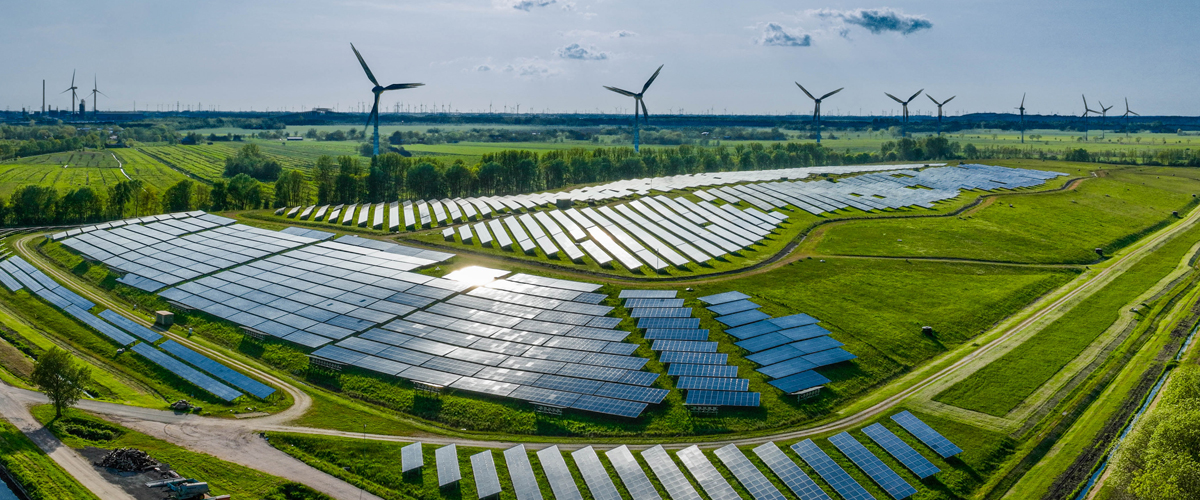
Wind turbines store energy using lead batteries.

Closing the Loop on Material Recovery

What truly sets lead batteries apart is their circular lifecycle. With a 99% recycling rate, lead batteries are the most recycled consumer product in the U.S. The materials recovered — including lead, plastic, and electrolytes — are reused to manufacture new batteries, minimizing waste and reducing the need for virgin resources.

ABR members have helped pioneer a closed-loop circular economy, in which nearly every component of a spent lead battery is recycled and repurposed. This approach dramatically reduces greenhouse gas emissions and energy consumption compared to mining new materials — while also ensuring that domestic manufacturers have the raw materials needed for new battery production.

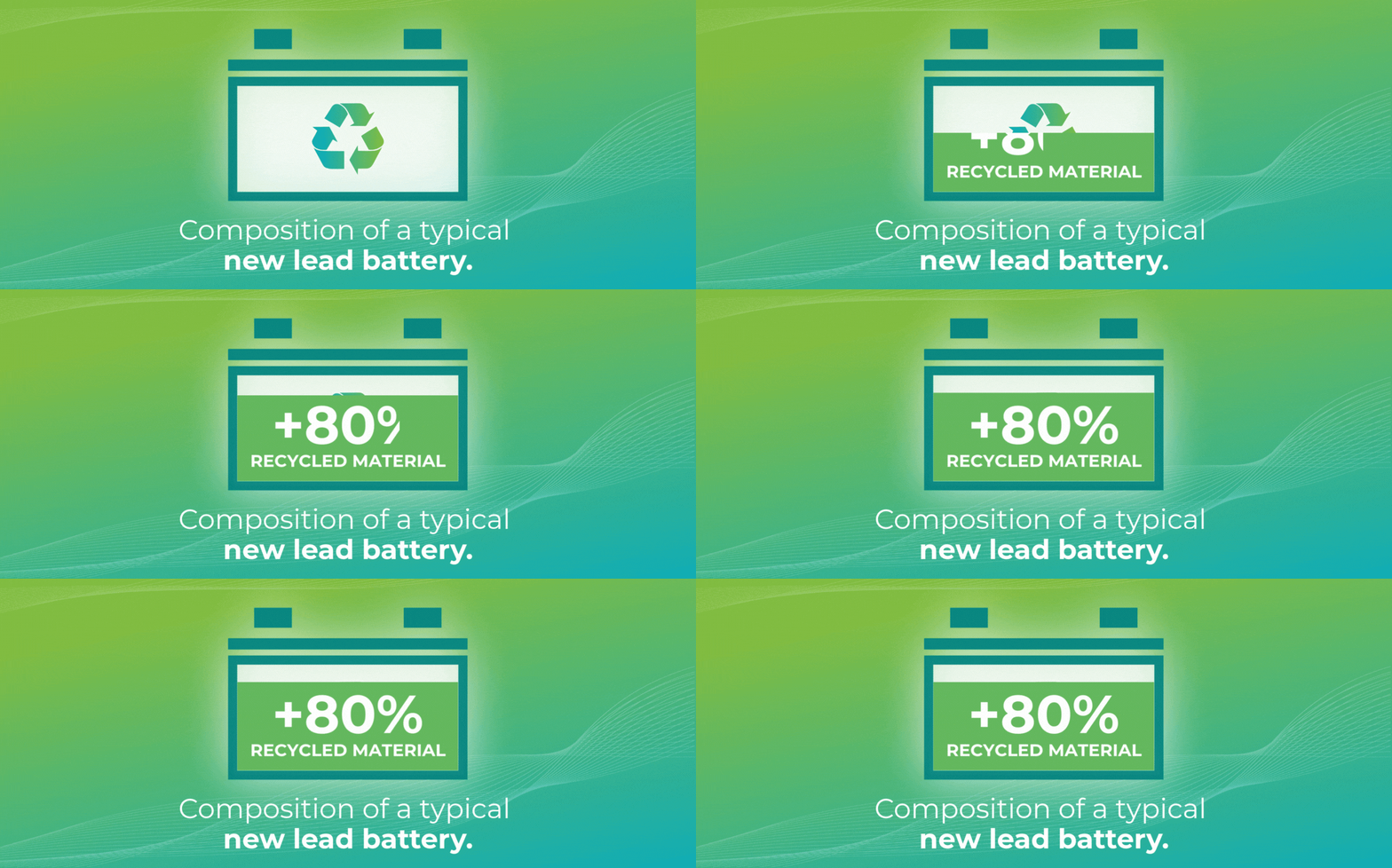
In fact, approximately 80% of the material in a typical new lead battery comes from recycled sources — a powerful example of how recycling can support our domestic energy infrastructure.

A typical new lead batter is made up of 80% recycled material.

Strengthening Domestic Supply Chains

Lead battery recycling not only supports environmental sustainability — it also bolsters the U.S. supply chain. ABR members are committed to ensuring a reliable, local supply of raw materials, reducing reliance on foreign imports and supporting American manufacturing.

As the demand for energy continues to grow, so does the need for sustainable, scalable energy storage solutions. The lead battery industry stands ready to meet this demand — responsibly, efficiently, and with a continued focus on innovation and environmental stewardship.

This Earth Day, we’re proud to help power American industry — one recycled battery at a time.

Share:
Skip to content