News | March 15, 2026

From Garage to Grid: The Battery You Replaced Is Still Powering America

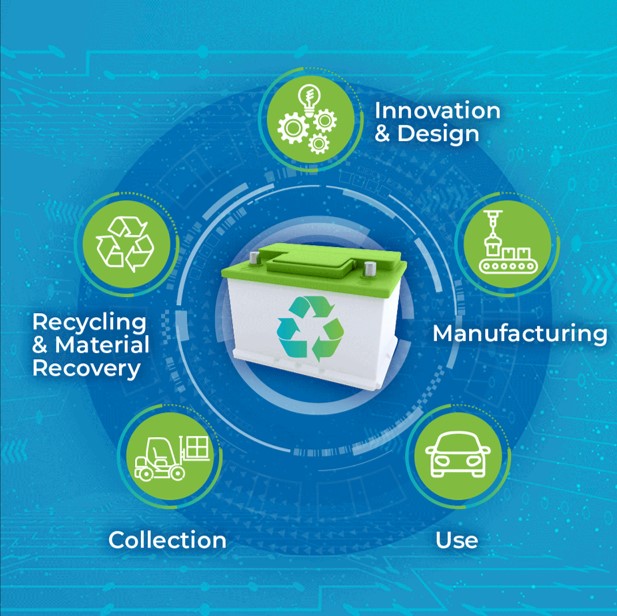
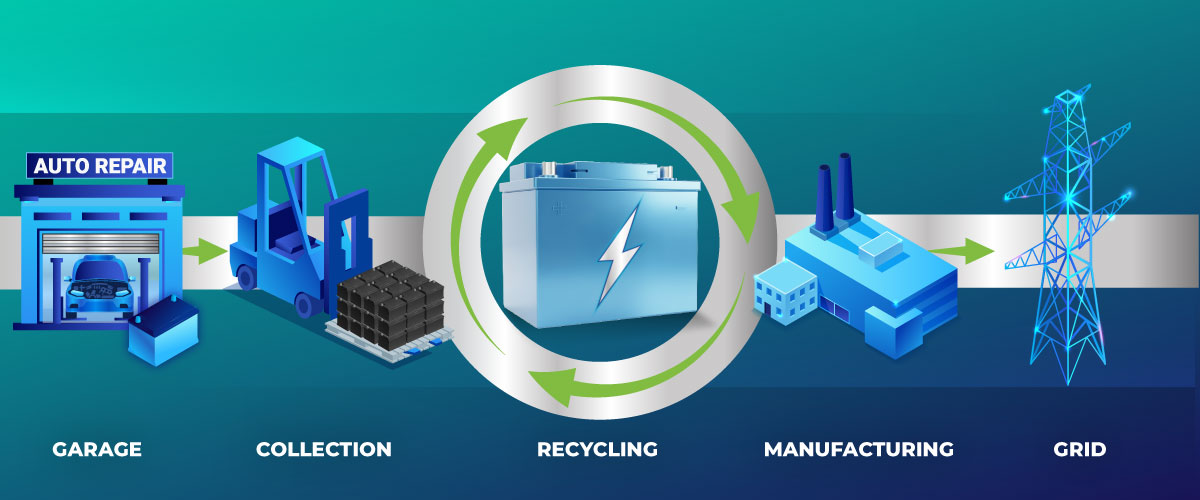
Lead battery recycling steps from garage to grid.

Whether you swapped out your car battery in the driveway or had it replaced at your local shop, the moment you handed over the old one set something remarkable in motion. That battery didn’t end up in a landfill. It entered one of the most efficient recycling loops in the world. Within months, the components inside it were back in circulation — powering another vehicle, a hospital backup system, or a forklift moving goods across a warehouse floor somewhere in the United States.

On Global Recycling Day, that’s the story worth telling.
The Battery’s Journey

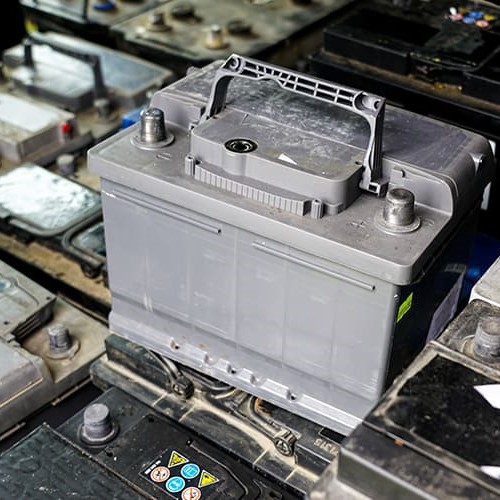
Every year, more than 160 million used lead batteries are collected across the U.S. They come from auto service centers, retailers, industrial facilities, and garages. At 99%, lead batteries have the highest recycling rate of any consumer product in the country.

At U.S. recycling facilities, nearly every component can be recovered or reused — the plastic casing, the acid, and the federally designated critical minerals: lead, antimony, and tin. The recovered minerals are refined into lead alloys, with antimony often added to harden them, then sold to domestic battery manufacturers as ready-to-use raw material. The typical new lead battery contains at least 80% recycled material.

That’s not just a sustainability talking point. It’s how the supply chain actually works.

Why “Recycled” Means “Domestic Supply”

The United States produces zero primary refined lead. No domestic smelters produce lead from newly mined ore. What that means in practice: without recycling, American manufacturers would depend entirely on imports for a material that powers nearly 300 million vehicles, hospital backup systems, military installations, and data centers.

Metallic periodic table symbol for lead (Pb), representing element 82, against a blue gradient background.

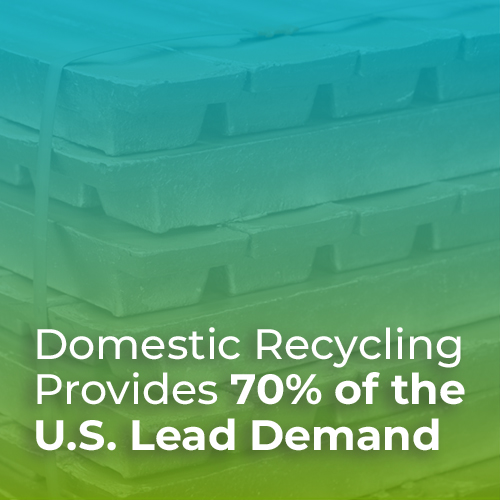
Instead, 70% of total U.S. lead demand is met through domestic recycling. In November 2025, the U.S. Geological Survey formally recognized what the industry has long known, adding lead to the Final 2025 List of Critical Minerals. It joins antimony and tin on that list, two other critical minerals recovered in the same recycling process.

Lead battery recycling is essentially the only domestic source of antimony in the United States. When China banned antimony exports in December 2024, prices doubled overnight. Domestic recyclers kept supplying it for battery products without interruption. That’s what supply chain resilience looks like in practice.

Keeping Batteries in the U.S.

There’s one threat to this loop that doesn’t get enough attention: unlawful exports of spent lead batteries. When used batteries leave the United States, the critical minerals inside them leave too. The lead, antimony, and tin that should be feeding American manufacturing go overseas instead.

Every battery that leaves illegally is a battery that doesn’t come back as domestic material. The regulations to protect this supply chain already exist. Enforcing them is the next step.

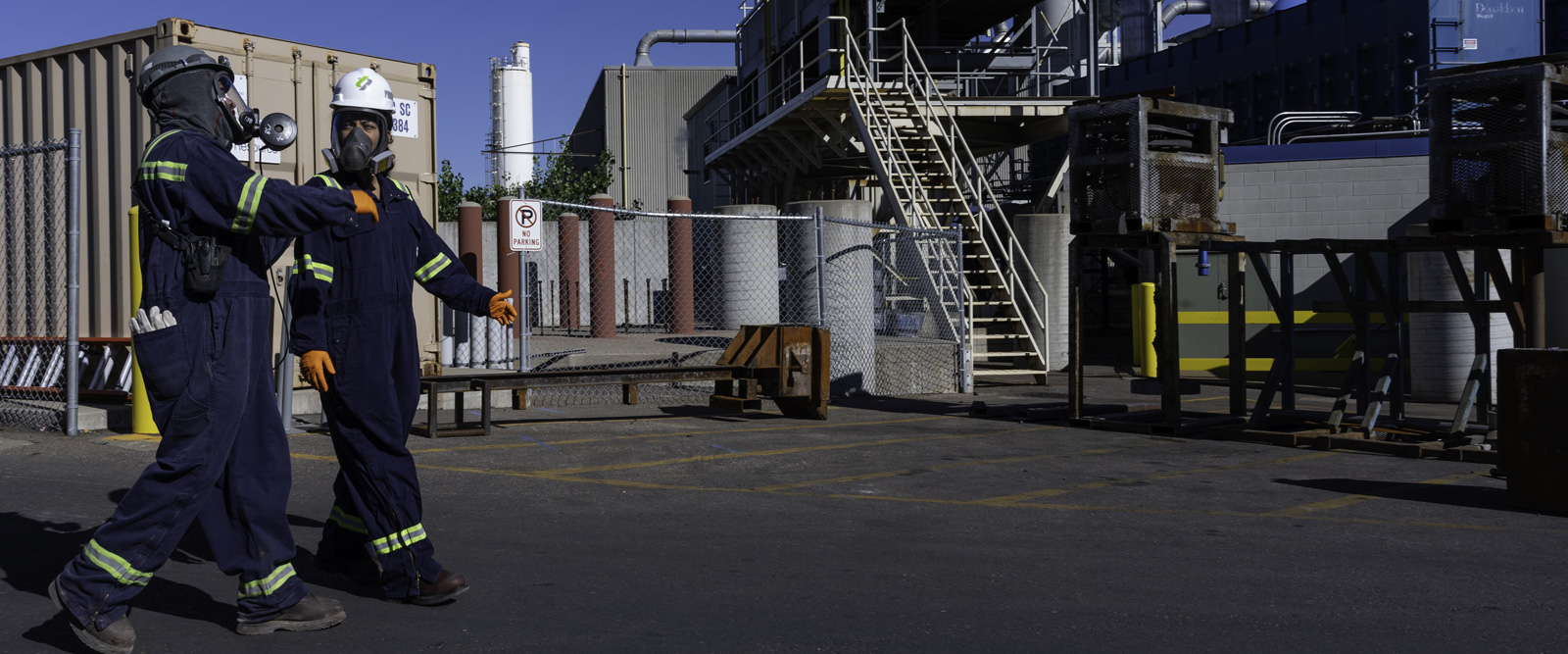
Lead battery recycling employees walking outside of the recycling plant.

The People Powering the Loop

Behind that 99% recycling rate of batteries staying in the U.S. are the workers and facilities that show up every day to make it happen. These are local employers with deep roots in their communities, operating under strict environmental and safety standards. The infrastructure they’ve built over decades is what keeps this supply chain reliable and domestic.

On Global Recycling Day, the Association of Battery Recyclers and its members recognize not just the environmental value of what this industry does, but the economic and strategic value it delivers to communities and the country. From the garage to the grid, recycled batteries keep America powered.

Share:
Skip to content