Lead battery recycling is one of the most effective circular economy success stories. In the U.S., more than 99% of spent lead batteries are collected and recycled through a system that recovers lead, plastic, sulfuric acid, tin, and antimony—critical minerals that are refined and reused in the production of new batteries.
Recyclable lead batteries are dismantled, processed, and returned to the supply chain. This closed-loop process conserves natural resources, reduces greenhouse gas emissions, minimizes the need for virgin mining, and strengthens domestic manufacturing.
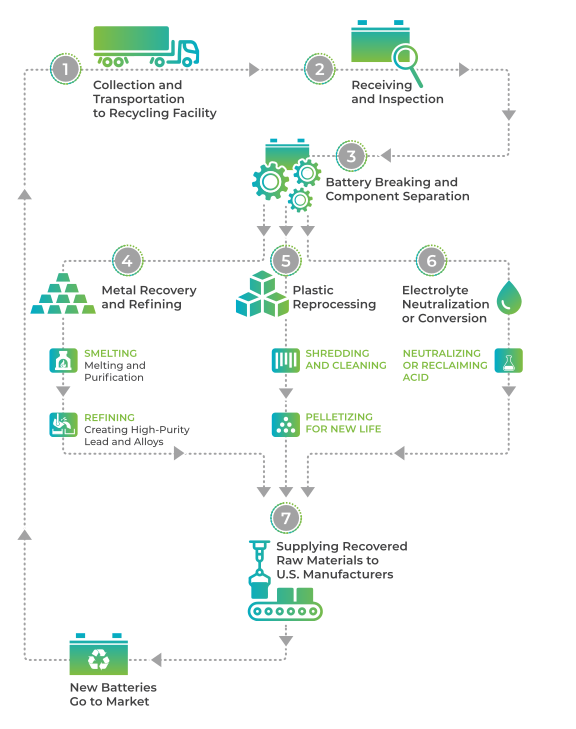
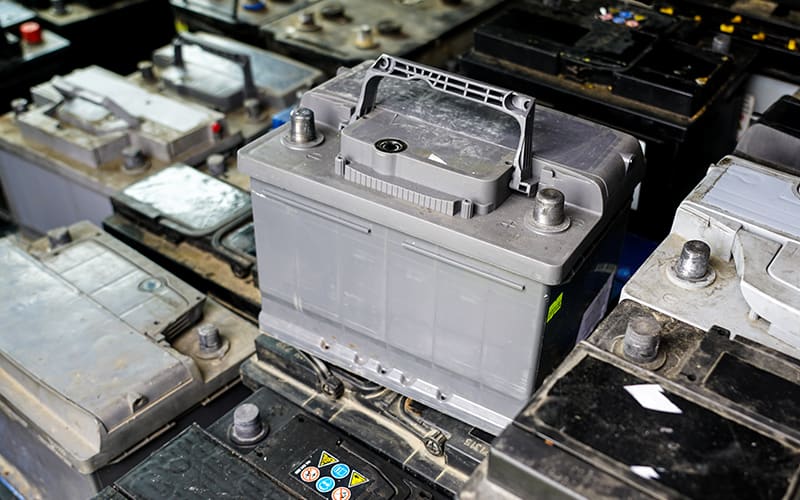
The recycling journey begins with old battery disposal. With more than 300,000 collection sites across the U.S., returning car and commercial batteries for recycling is conveniently and widely accessible. More than 160 million lead batteries are collected annually from sources including:
Because nearly all materials in spent lead batteries have recoverable value, recycling is incentivized for both businesses and consumers. Every day, hundreds of semi-trailers filled with used lead batteries are safely on their way to cutting-edge U.S. recycling facilities, following strict federal and state regulations for transport and handling.
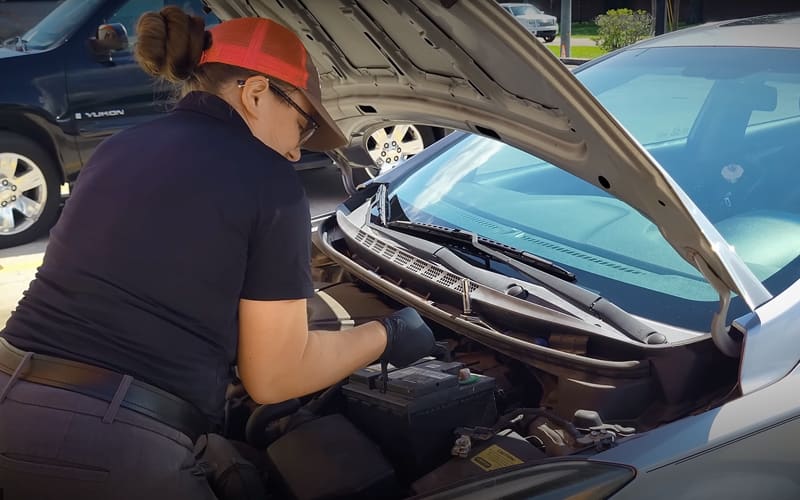
The answer is YES! You can recycle used lead car batteries at most auto parts stores, service centers, and battery retailers. These take-back programs ensure safe handling and keep hazardous materials out of the environment.
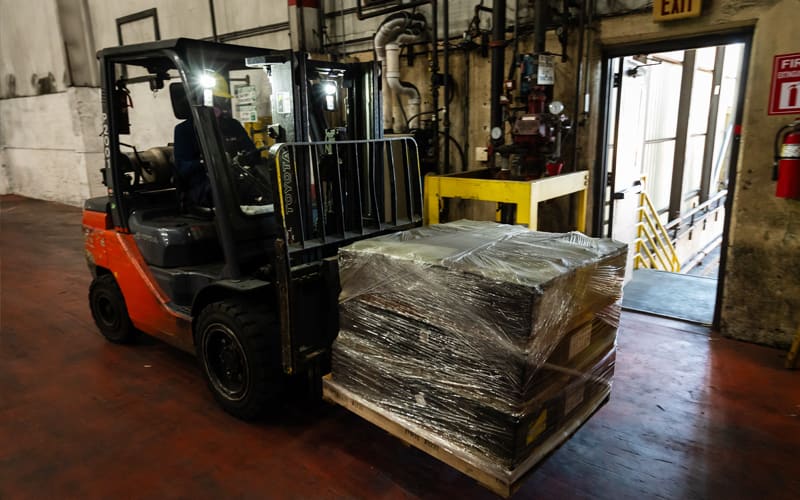
When shipments arrive at the recycling facility, batteries are first unloaded and inspected. Workers remove any external packaging and assess the batteries to identify non-compliant or incompatible materials, such as lithium-ion batteries or damaged units that require special handling. This step ensures only approved lead batteries enter the recycling process, protecting worker safety and maintaining process efficiency.
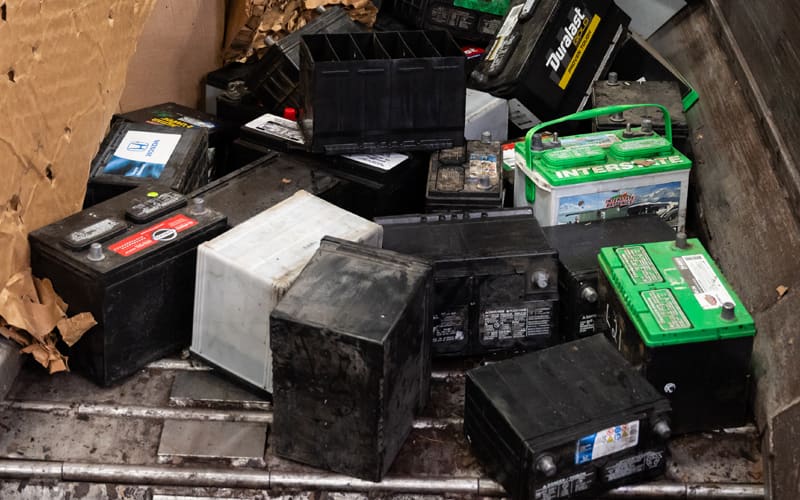
At the recycling facility, batteries are placed into a specialized machine called a hammer mill, which breaks the batteries apart in a controlled environment. The broken pieces then pass through a series of mechanical and chemical processes to separate the three main components:
Each material is processed separately to ensure safety and maximize recovery.
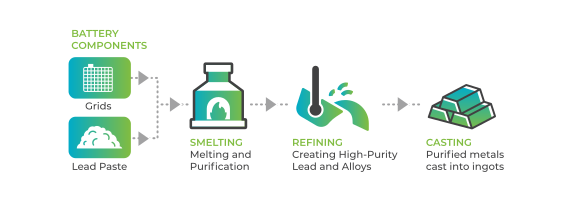
Once separated from the battery casing and electrolyte, the lead components—including the grids, terminals, and lead paste—are sent to a specialized smelting furnace. This is where the core element of the battery recycling process takes place.
The smelting process begins by heating the recovered lead materials in high-temperature furnaces. The intense heat—often exceeding 1,100°C (2,000°F)—melts the lead, allowing impurities to separate from the pure metal.
In addition to recovering elemental lead, this process also enables the extraction of important trace metals, such as tin and antimony, which were originally added to enhance the performance and durability of the battery. These critical minerals are reclaimed and reused in the production of new lead battery alloys.
In many modern facilities, this process is conducted in reverberatory furnaces equipped with advanced emissions controls that limit the release of particulates, sulfur compounds, and other byproducts. Air filtration systems, scrubbers, and baghouses ensure that smelting is both efficient and environmentally responsible. The byproducts captured through this process can be utilized as a useful ingredient for things like agricultural fertilizer.
Once smelted, the molten lead is further refined to meet the exacting purity standards required for battery manufacturing. This may involve:
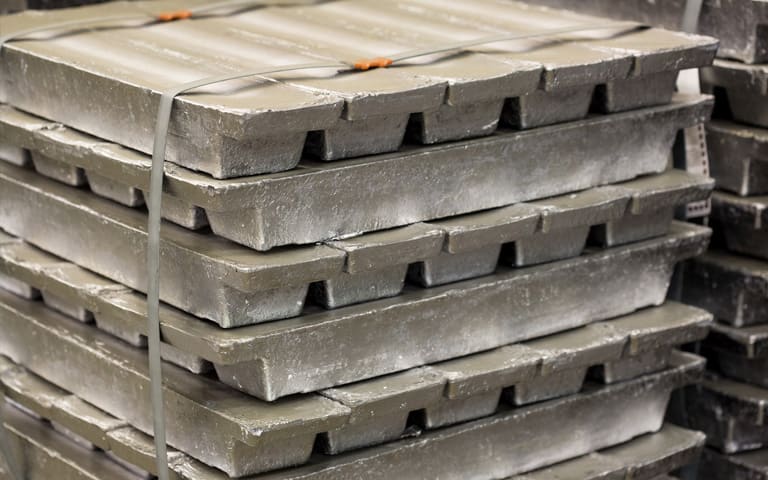
The purified metal, now in the form of high-purity lead or lead alloys containing tin and antimony, is cast into ingots, blocks, or pigs. These are easily transportable and ready for use by manufacturers to produce new batteries.
Lead, tin, and antimony can be recycled indefinitely without degrading in quality or performance. The same atoms may have been in use for decades.
After the lead and acid are removed from spent lead batteries, the remaining plastic—typically polypropylene from the outer casing—is carefully separated, cleaned, and sent for reprocessing.
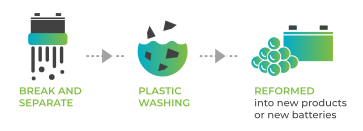
The casings are shredded into small pieces and thoroughly washed to remove any residual battery acid or contaminants. Modern recycling facilities use closed-loop water systems to clean the plastic efficiently while minimizing wastewater and pollution.
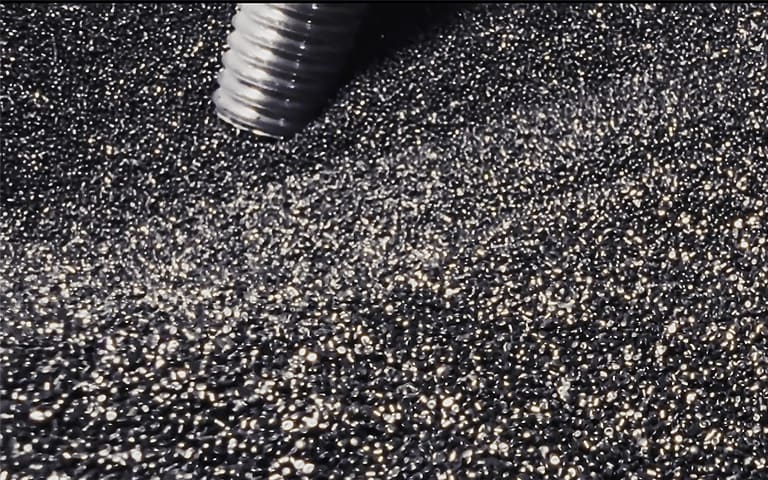
Once cleaned, the shredded plastic is melted and extruded into small plastic pellets. These pellets serve as the raw material for manufacturing new battery cases—creating a closed-loop system where old battery cases are continuously transformed into new ones.
Nearly all new lead battery cases in the U.S. are made with recycled plastic from spent batteries.
The electrolyte in a lead battery, typically a diluted sulfuric acid solution, plays a critical role in storing and delivering energy. When a battery reaches the end of its life, this acid is safely extracted and processed to ensure it doesn’t harm people or the environment.
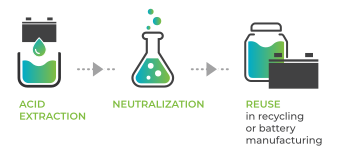
Modern lead battery recyclers use advanced, closed-loop systems to manage the electrolyte with precision:
Nearly all new lead battery cases in the U.S. are made with recycled plastic from spent batteries.
Recycled lead batteries provide a critical source of raw materials for new battery production and help reduce the need for virgin mining. After the lead, plastic, and electrolyte from spent batteries are recovered and refined, they’re returned to the supply chain to manufacture new batteries—often at facilities located near U.S. recycling operations.
Thanks to this closed-loop system, domestic battery manufacturers typically produce new, sustainable lead batteries using approximately 80% recycled material. This makes lead batteries one of the most circular consumer products in existence.
U.S. recyclers also supply 70% of the lead needed by domestic manufacturers, supporting battery production for essential industries such as transportation, telecommunications, energy, and national security.
By keeping materials in circulation and close to home, lead battery recycling strengthens America’s supply chain, reduces dependence on imported resources, and supports thousands of jobs in the clean energy economy.

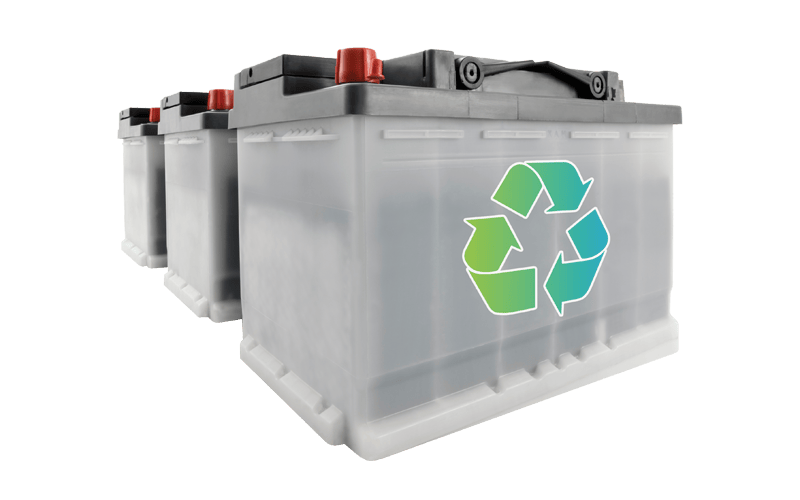
With more than 99% of lead batteries recycled in the U.S., lead battery recycling is a global model of sustainability. Advanced pollution controls, high worker safety standards, and strong supply chain partnerships make lead battery recycling a win for both the environment and the economy.
Every battery recycled helps:
Lead battery recycling isn’t just responsible, it’s essential to building a cleaner, more resilient future powered by domestic resources.
Take a deeper look at how the lead battery industry is powering the circular economy. This engaging video follows the life of a battery from design and innovation through collection, recovery, and reuse. You’ll see how ABR members use advanced technology and sustainable practices to reclaim and repurpose materials—turning old batteries into essential resources for new products.
Q. Are car batteries recyclable?
Yes! Lead-acid car batteries are highly recyclable and are one of the most successfully recycled consumer products in the U.S., with a recycling rate above 99%.
Q. Where can I take my old car battery for recycling?
Most auto parts stores, service garages, and battery retailers offer battery take-back programs. You can also contact your local recycling center.
Q. Is it safe to dispose of an old car battery myself?
Car batteries should never be thrown in the trash. They contain lead and sulfuric acid, which must be handled safely. Always use authorized drop-off locations.
Q. Do I get anything for recycling a car battery?
In many states, retailers offer a cash rebate or store credit when you return an old battery. This is sometimes called a “core charge refund.”
Q. What happens to a recycled car battery?
The battery is broken down, and its components—lead, plastic, and acid—are recovered and reused to make new batteries in a closed-loop process.

 You’d have to recycle over 200 aluminum cans to get close to the money you get for returning one recyclable lead car battery.