Frequently Asked Questions
Q. What happens when a lithium battery enters a lead-acid battery recycling facility?
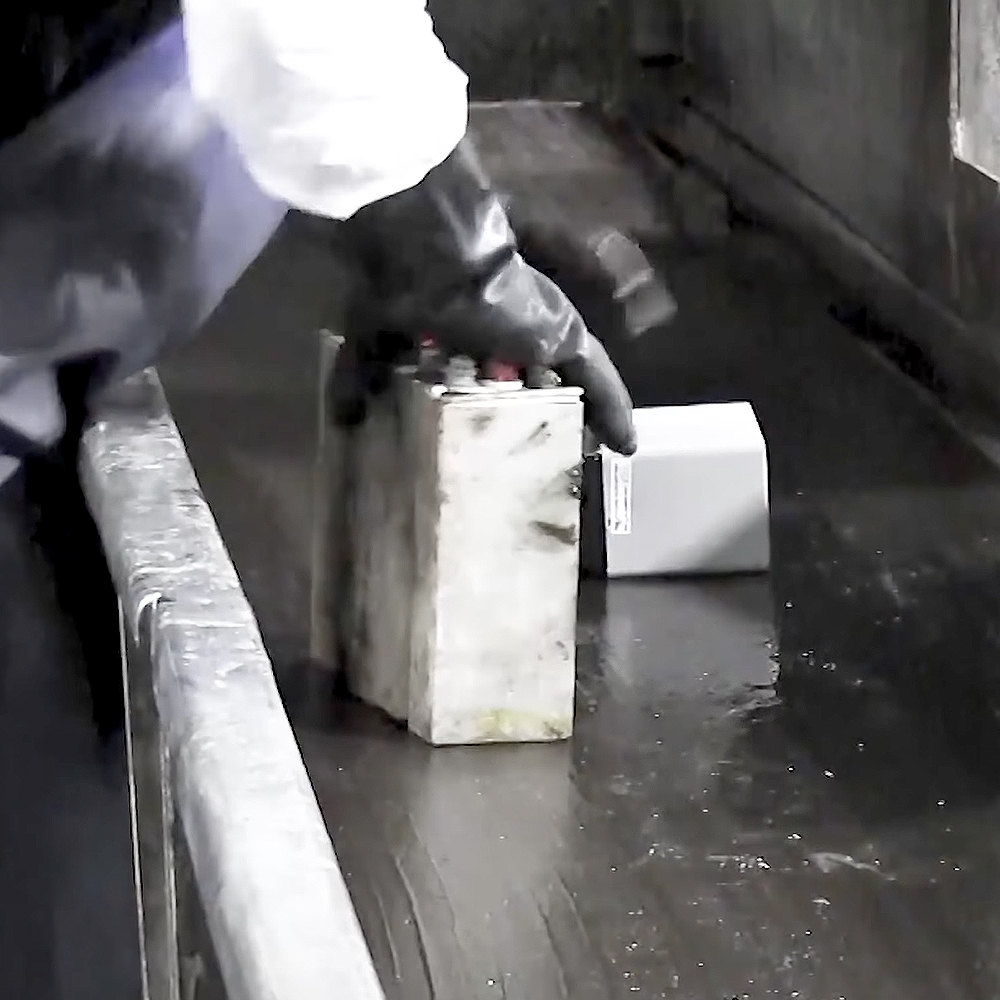
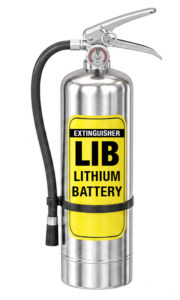
Lithium batteries that enter lead-acid recycling streams pose a fire risk because the processing equipment designed for lead batteries can puncture or crush lithium cells, triggering thermal runaway. Facilities have protocols in place to identify and remove lithium batteries before they reach processing, but the risk increases as lithium battery volumes grow.
Q. How do recycling facility workers identify lithium batteries?
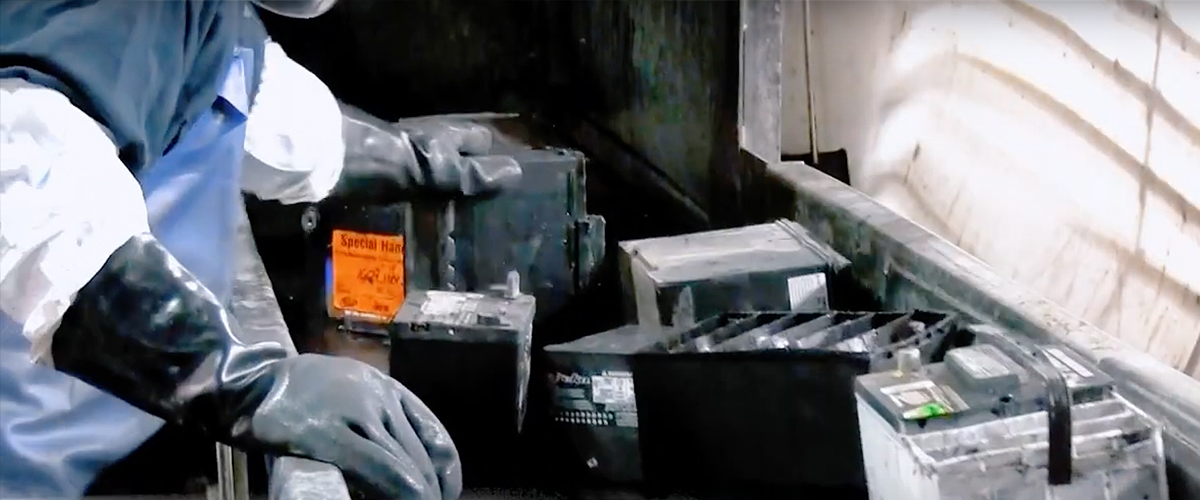
Workers are trained to look for visual indicators, including non-standard labels and markings, differences in size and weight compared to lead-acid batteries, and signs of damage such as swelling, punctures, or leaks. Early warning signs like unusual odors, smoke, or sparks are also part of frontline detection training.
Q. What can organizations across the battery collection chain do to prevent lithium batteries from entering lead battery recycling streams?
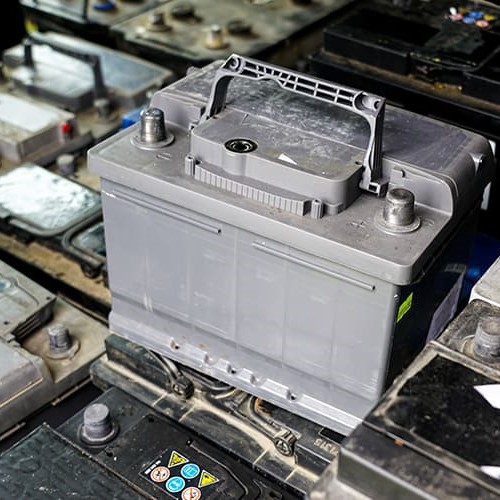
Proper battery identification and segregation at the point of collection are critical. Suppliers, distributors, retailers, battery collection sites, warehouses, and other collection partners should follow guidance from their recycling partners to separate battery chemistries, label shipments appropriately, and direct batteries to the correct recycling channel. Preventing battery mix-ups upstream remains one of the most effective ways to reduce risk throughout the recycling process.
Q. Is lead-acid battery recycling safe?
Yes. Lead-acid battery recycling operates under strict environmental and safety regulations and has a well-established track record. More than 99% of lead-acid batteries in the U.S. are recycled through a closed-loop system that has functioned safely for decades. The lithium battery challenge is an emerging issue the industry is actively managing – it does not reflect a systemic safety failure in lead battery recycling operations.