News | October 1, 2026

Manufacturing Day: Recycling Is Part of the American Manufacturing Story

Lead battery recyclers celebrate Manufacturing Day.

Each year, Manufacturing Day recognizes the people, technologies, and industries that make modern manufacturing possible in the United States. It is also an opportunity to look at the entire supply chain that supports American manufacturing, including where essential raw materials come from.

For the lead battery industry, that story includes recycling.

Spent lead batteries are more than products at the end of their useful life. They are an important domestic source of critical minerals that can be recovered, processed, and returned to productive use.
From End-of-Life Product to Manufacturing Input

In many industries, the manufacturing story begins with raw materials. In the lead battery industry, it often begins with a product that has already served another useful life.

Spent lead batteries are collected and delivered to recycling facilities, where lead and other materials are recovered and prepared for reuse. Recovered critical minerals lead, tin, and antimony can then return to the supply chain for use in new batteries and other applications.

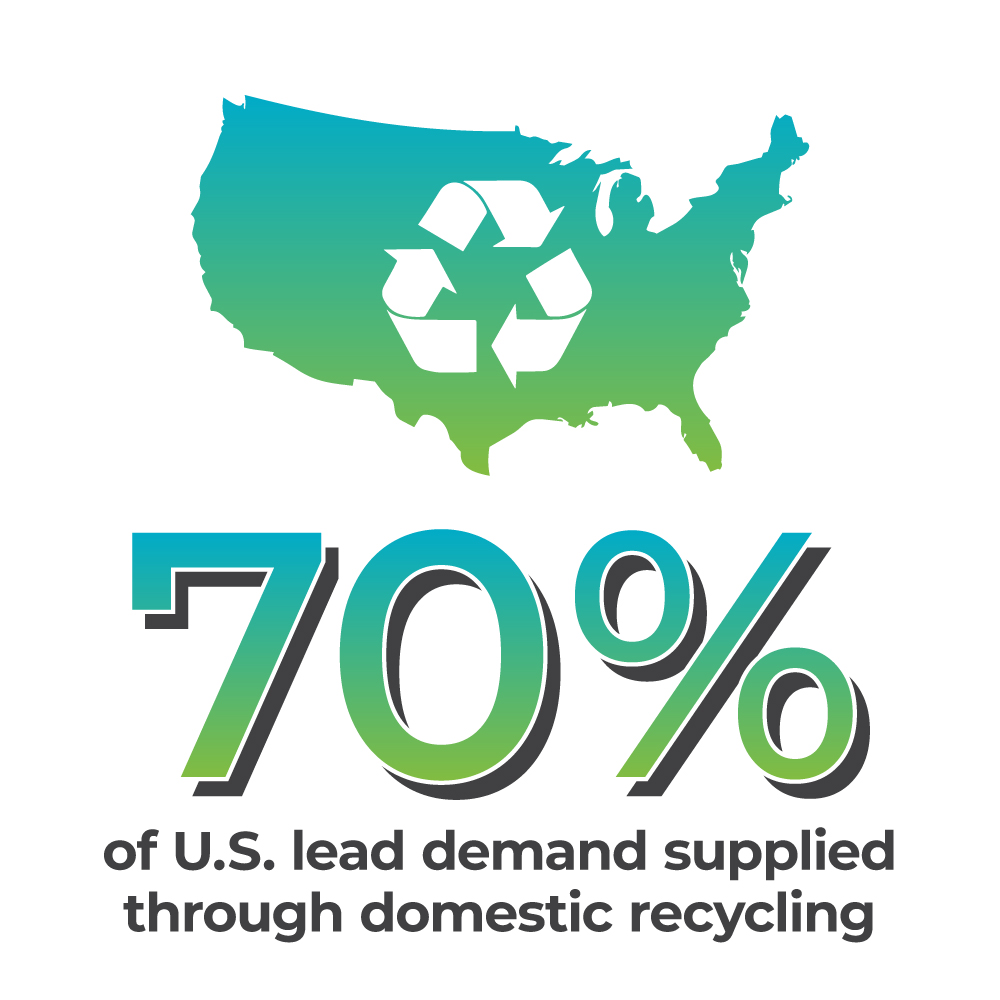
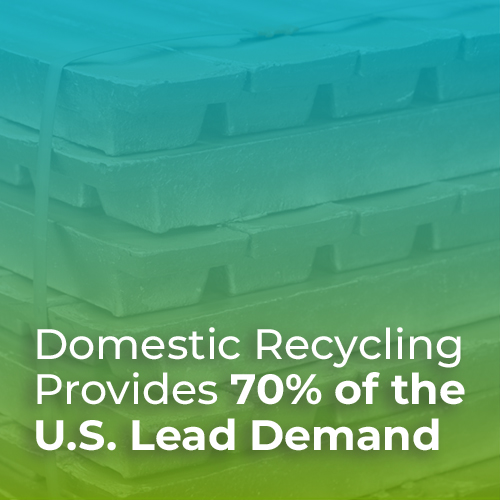
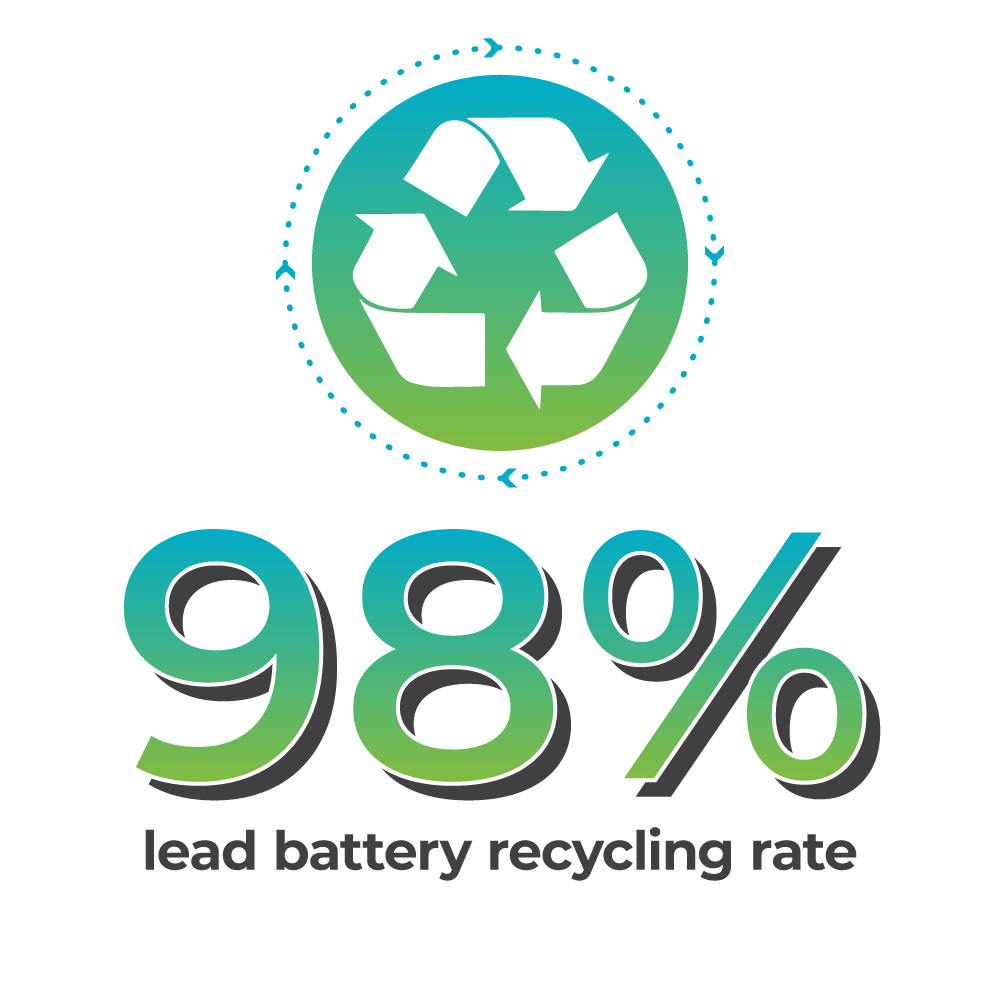
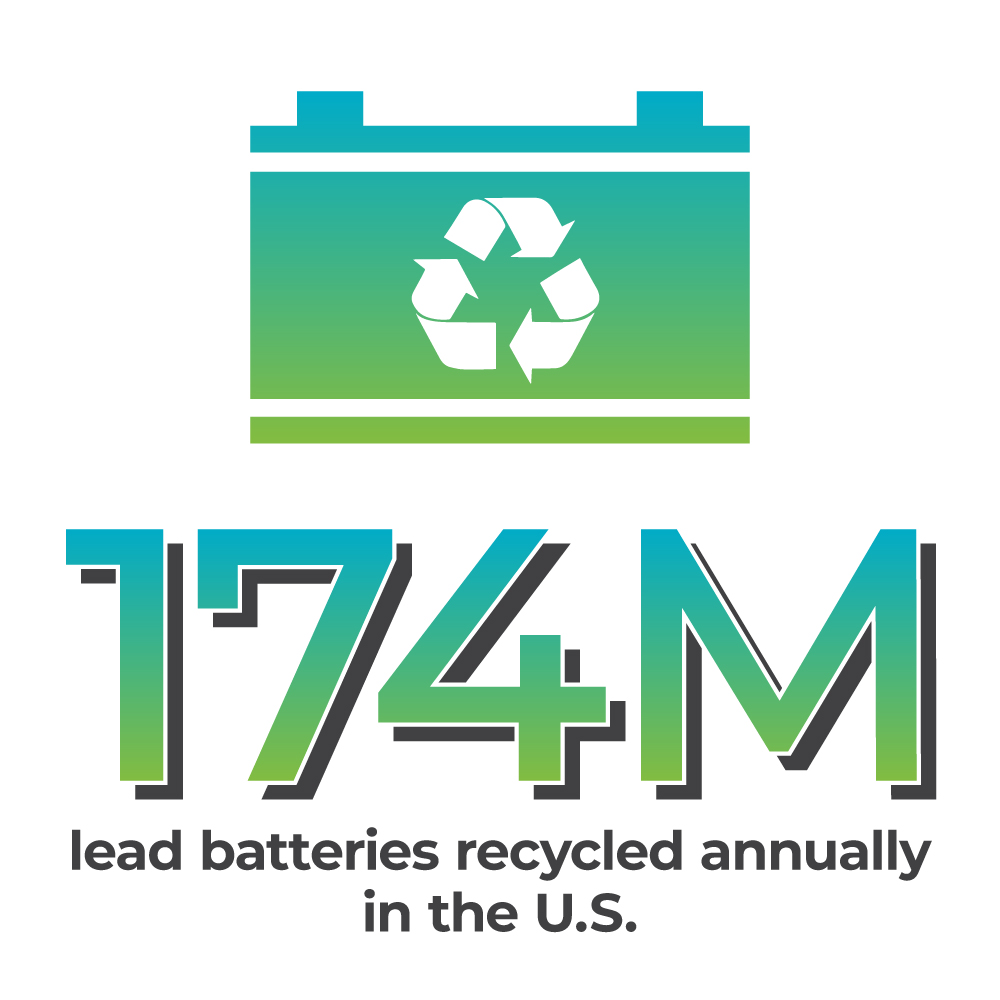
The scale of this system is significant. Lead batteries have a 98% recycling rate, with more than 174 million lead batteries recycled in the United States each year. In fact, domestic recycling supplies approximately 70% of U.S. lead demand.

Graphic showing the 98% lead battery recycling rate.
Graphic showing the 174M lead batteries recycled annually in the U.S.
Graphic showing the 70% of lead demand supplied by domestic recycling.

The result is a domestic supply chain in which recycling and manufacturing are closely connected. The end of one battery’s useful life helps provide material for the next manufacturing cycle.

Recycling a Critical Mineral at Scale

That connection has become even more important with lead’s designation as a U.S. critical mineral.

In 2025, the U.S. Geological Survey added lead to the U.S. Critical Minerals List, recognizing its importance to the nation’s economy and security. Lead is essential to transportation, communications, energy storage, national security, and other applications Americans rely on every day.

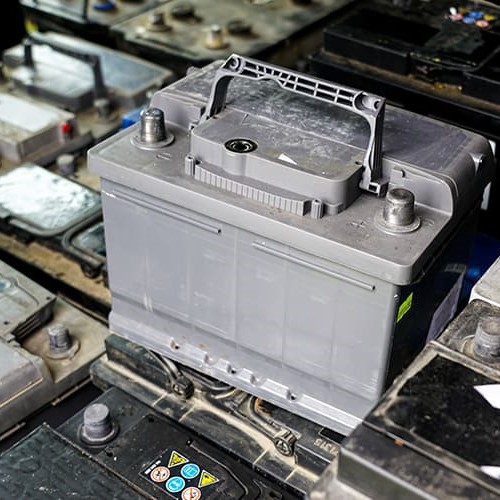
The United States already has an established infrastructure capable of recovering this critical mineral at scale. Through battery recycling, lead that is already within the domestic economy can be recovered and returned to productive use.
That makes recycling an important part of both America’s circular economy and its domestic manufacturing supply chain.

Learn more about how lead battery recycling strengthens America’s domestic critical mineral supply in the video below.

The People Behind the Process

Manufacturing Day is also a celebration of the people whose skills and dedication keep American industry moving.

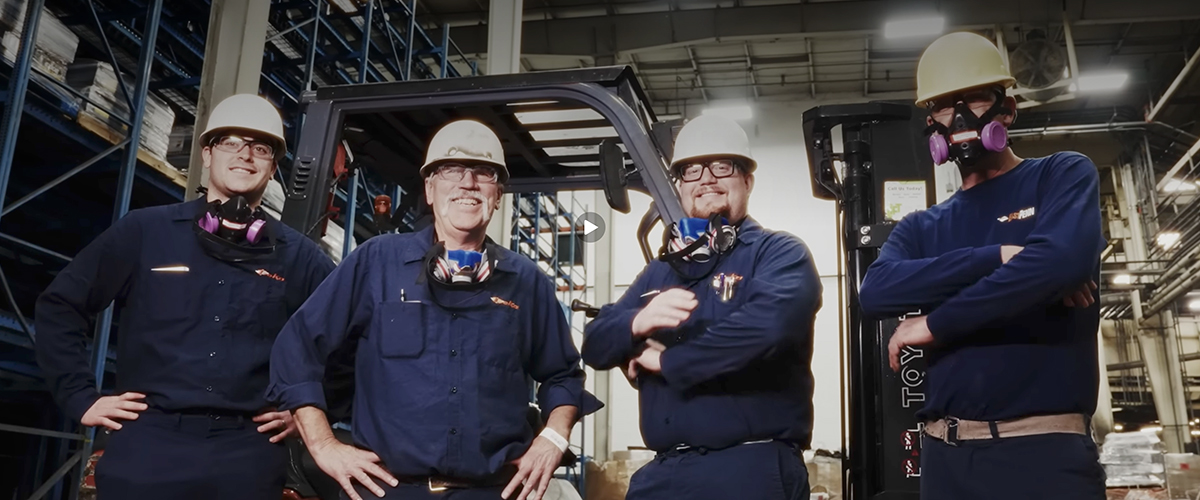
Lead battery recycling facilities are sophisticated industrial operations that rely on a skilled workforce across a wide range of disciplines and roles. From engineering and metallurgy to operations, maintenance, environmental health and safety, and logistics, these employees help safely recover valuable materials and prepare them for continued use.

Their work connects the end of one product life cycle with the beginning of another and helps maintain the domestic capabilities and infrastructure needed to support American industry.

The broader lead battery industry supports more than 28,000 direct jobs and more than 100,000 jobs overall across manufacturing, recycling, transportation, and the supply chain. These jobs and capabilities are part of America’s industrial base and contribute to the strength and resilience of domestic manufacturing.

Skilled workforce of lead battery recyclers.

Keeping American Manufacturing Moving

On Manufacturing Day, the Association of Battery Recyclers recognizes the recyclers, manufacturers, employees, and other partners who make this circular manufacturing system possible.

Their work demonstrates an important part of the American manufacturing story: valuable materials don’t have to reach the end of their usefulness when a product does.

By recovering critical minerals from spent batteries and returning it to productive use, the U.S. lead battery recycling industry helps maintain a reliable domestic supply of a critical mineral, reduces the need for America to import critical minerals, supports American manufacturing jobs, and provides material for the next manufacturing cycle.

Share:
Skip to content