News | November 10, 2025

America Relies on Recycled Lead: The First Link in Our Nation’s Supply Chain

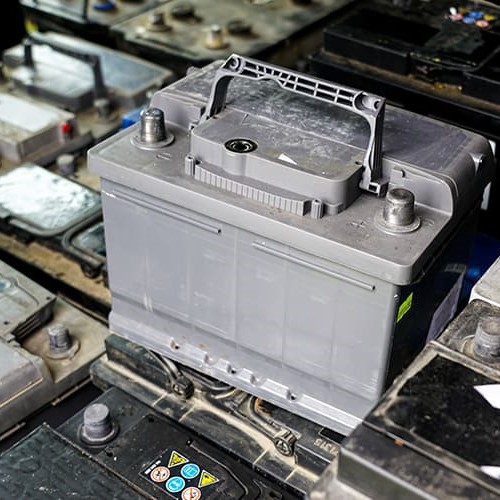
Recycled lead raw material for manufacturing new batteries that support essential industries.

In Celebration of America Recycles Day 2025

When we think about national security, economic resilience, and industrial strength, we often picture high-tech factories, energy grids, and advanced defense systems. But none of these would function without a reliable supply of critical materials—starting with lead, and the U.S. recyclers who recover it. This America Recycles Day, it’s time to recognize that our recycling industry isn’t just about sustainability—it’s the first and most essential link in a supply chain that powers everything from hospitals to data centers to national defense.

Lead: Now Officially a Critical Mineral

Lead is more than a basic metal—it’s a strategic resource. In November 2025, the U.S. Geological Survey officially designated lead as a critical mineral on the final 2025 List of Critical Minerals due to its essential role in:

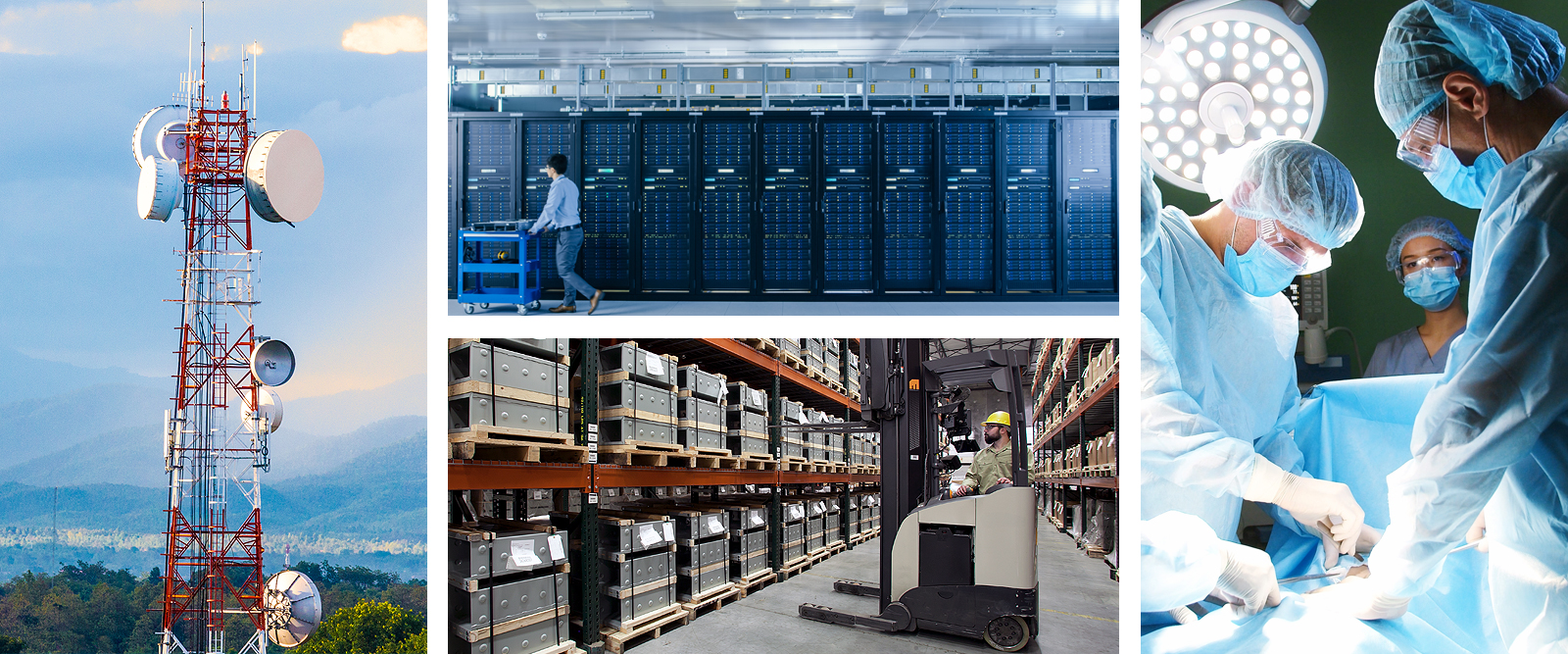
  • Backup power for hospitals and healthcare systems
  • Data centers and AI infrastructure
  • Telecommunications networks
  • Forklifts and warehouse logistics
  • Automotive and transportation power
  • Military and emergency response systems

These systems rely on lead batteries for reliable, resilient energy storage. Without them, critical infrastructure would be vulnerable to outages and disruptions or not be able to operate.

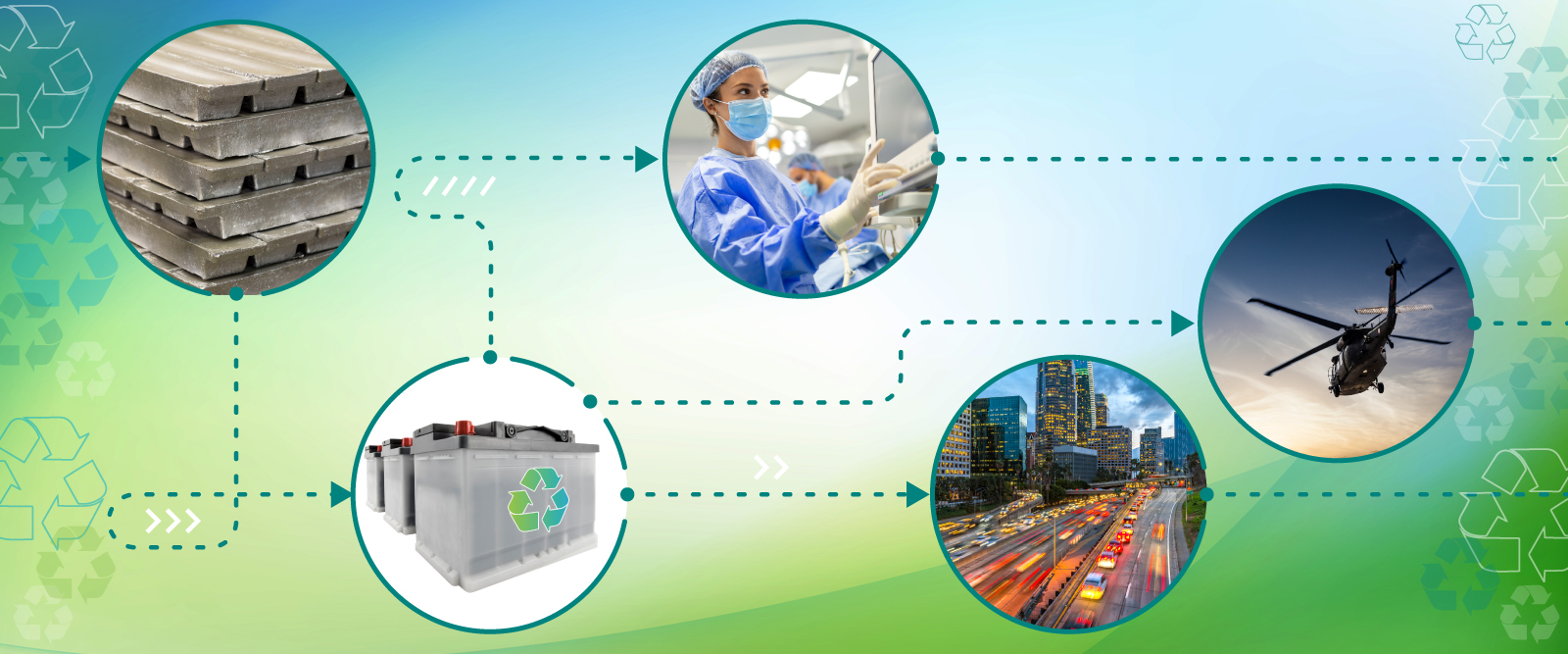
Applications supported by lead batteries from recycled lead in the U.S.

A Nation Without Primary Lead Production

Here’s a fact that underscores our dependence on recycling: The United States no longer produces primary refined lead. We have no domestic smelters refining lead from newly mined ore for the commercial market. This makes recycled lead from spent batteries not just important, but absolutely critical to our nation’s supply chain.

The numbers tell a compelling story. In 2024, an estimated 1 million tons of secondary (recycled) lead were produced, an amount equivalent to 70% of domestic consumption. This isn’t supplementing our lead supply—it IS our lead supply for the vast majority of applications.

Recycling: The First Link in a Powerful Supply Chain

This entire system starts with recycling—the first link in America’s battery supply chain. Thanks to America’s robust domestic recycling infrastructure, more than 160 million lead batteries are collected and processed each year—recovering nearly every component, from the plastic casing to the metals (lead, tin, antimony), for reuse in new batteries.

The Gold Standard of Circularity

The lead battery recycling industry has achieved a 99% recycling rate—the highest of any consumer product in the United States. This remarkable rate has been sustained for over a decade, making it a proven model of circularity, resilience, and economic impact.

What makes this possible?

  • All three main components—lead, plastic, and acid—are 100% recyclable
  • Lead can be infinitely recycled with no loss of performance
  • The typical new lead battery contains at least 80% recycled material
  • A robust network of over 300,000 collection sites across the nation
  • U. S. lead battery manufacturers source approximately 85% of their lead needs from North American recycling facilities

This highly efficient closed-loop system doesn’t just reduce waste—it creates a secure, resilient source of critical materials, shielding American manufacturers from global supply chain disruptions and foreign dependency.

Without American recyclers, there would be no secure supply of lead. Without lead, there would be no lead batteries. And without lead batteries, much of America’s transportation, healthcare, data infrastructure, and industrial systems would grind to a halt.

Beyond Lead: A Domestic Source of Critical Minerals

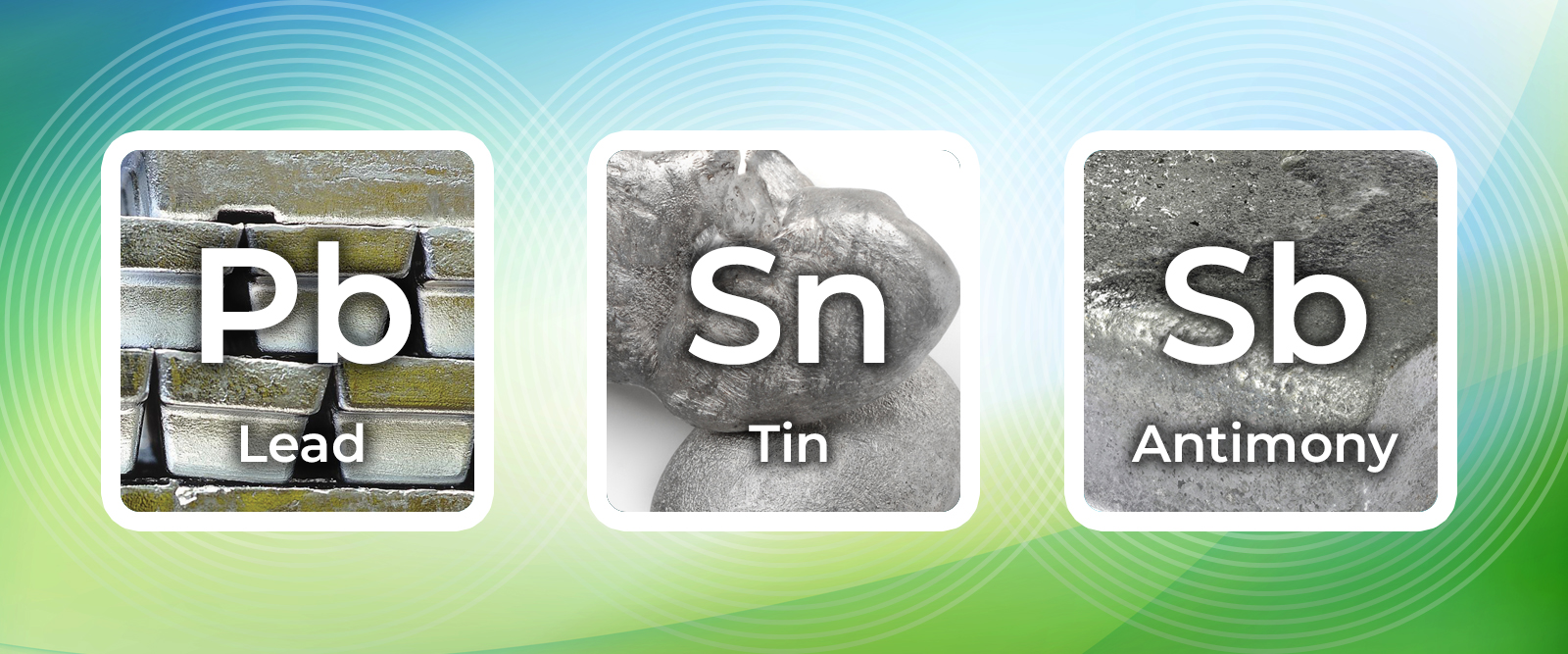
The strategic importance of lead battery recycling extends even further. Spent lead batteries aren’t just a source of lead—they’re also a domestic source of two other critical minerals identified by the U.S. Geological Survey: antimony and tin.

Recycled lead, tin, and antimony from spent lead batteries.

Antimony: Shielding America from Supply Chain Vulnerabilities

Antimony has been classified as a critical mineral with “elevated” supply risk. It is:

  • Used in lead batteries to improve plate strength and charging characteristics
  • Essential for flame retardants, a vital safety application
  • Critical for defense applications, including night vision goggles, explosive formulations, infrared sensors, and nuclear weapons production
  • Heavily concentrated in global supply chains, with China controlling over 60% of global mine production

The U.S. produces virtually no primary antimony and must import antimony metal to meet demand, with approximately 63% of those imports coming from China. When China announced export restrictions on antimony to the United States in December 2024, it underscored our vulnerability.

Lead battery recycling provides a domestic source of antimony. When we recycle lead batteries, we’re also recovering antimony that would otherwise need to be imported. This recycled antimony contributes to roughly 15% of U.S. antimony demand and is essentially our only domestic source of antimony.

Tin: Another Strategic Win

Tin, also on the U.S. critical minerals list, is used in protective coatings and alloys for steel and in various battery applications. In 2024, approximately 10,000 tons of tin were recovered from old scrap during battery recycling, accounting for 27% of apparent consumption—providing another vital domestic source of this strategic material.

Powering America’s Digital and Industrial Future

Our nation’s rapid expansion of data centers, AI infrastructure, and modernized logistics makes lead batteries—and therefore lead battery recycling—more important than ever. Lead batteries are critical for:

  • Data centers and AI infrastructure requiring reliable backup power for uninterrupted operations
  • Hospitals and emergency services depending on uninterruptible power supplies
  • Warehouse logistics and material handling, including forklifts, pallet jacks, and automated guided vehicles
  • Telecommunications infrastructure ensuring connectivity during power outages
  • Grid stabilization and renewable energy storage in microgrids and off-grid systems
  • Industrial equipment across manufacturing and distribution facilities
  • Automotive and transportation systems supporting starting, lighting, ignition, and auxiliary power

With billions being invested in domestic battery production and energy infrastructure, the recyclability and proven reliability of lead batteries support their continued importance in achieving our energy security and economic competitiveness goals.

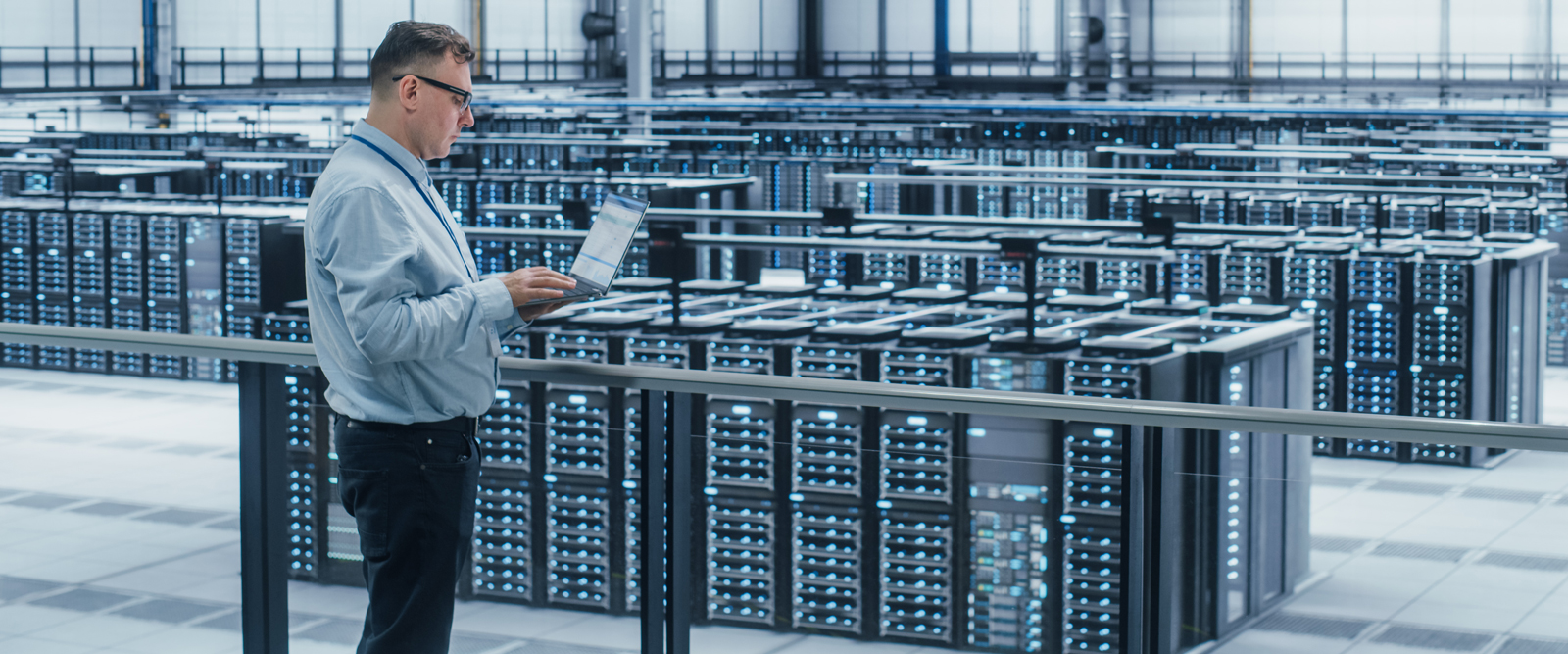
A man working in a data center that is supported by lead battery back-up power.

The Unsung Heroes of America’s Supply Chain

The U.S. is investing heavily in energy infrastructure, AI, and advanced manufacturing. We must also support the recycling infrastructure that makes it all possible. The lead battery industry is a proven model of circularity, resilience, and economic impact—a benchmark for developing recycling systems for emerging battery technologies.

America truly does rely on recycled lead—for the critical infrastructure, automotive and transportation power, and energy storage that power our daily lives and national security. Yet most Americans don’t think twice about where their car battery goes after it’s replaced.

Behind that 99% recycling rate is a network of dedicated recyclers—a relatively small number of facilities across the nation—performing work that’s absolutely essential to our economy, our infrastructure, and our national security. The absence of domestic primary lead production means these men and women aren’t just environmental stewards—they’re guardians of our critical mineral supply chain and the first link in America’s industrial strength.

The next time you see a recycling facility or replace a car battery, remember: those facilities and the people who work in them aren’t just managing waste—they’re the first link in a supply chain that keeps America strong, secure, and moving forward.

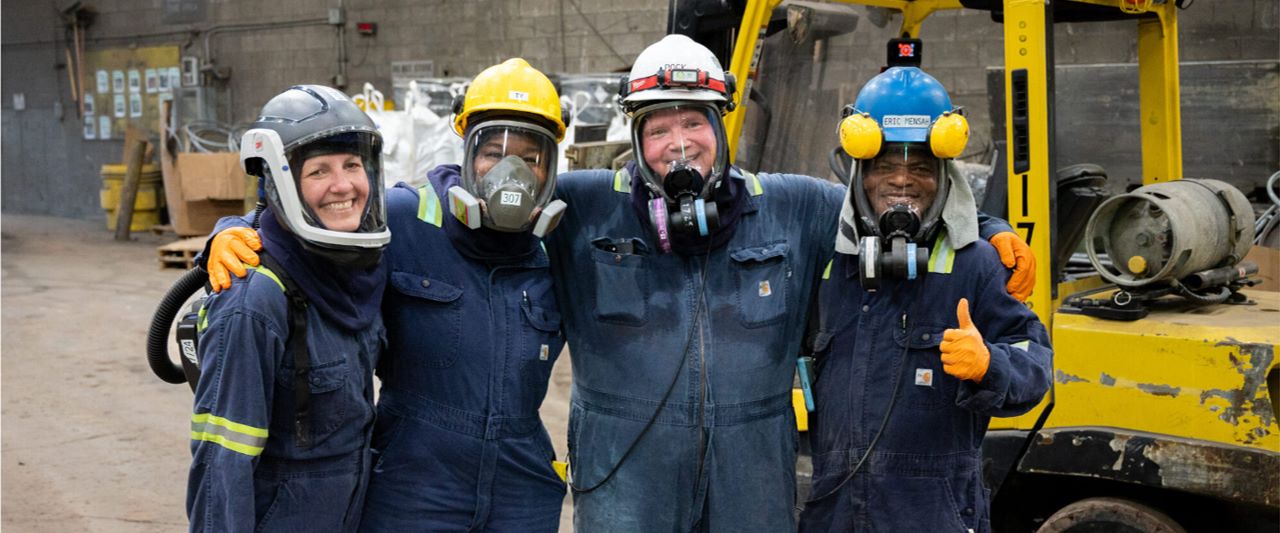
Four lead battery recycling workers outside together.
Share:
Skip to content