WELCOME TO OUR BLOG

America Recycles Day: Celebrating Lead Batteries as a Successful Circular Economy Example

November 15, 2024

Teal background with circular economy example circle and a lead battery for America Recycles Day.

Recycling Lead Batteries Supports a Sustainable, Closed-Loop System

Every November 15, America Recycles Day highlights the importance of recycling and the critical role it plays in preserving our environment, conserving natural resources, and building a sustainable future. For the Association of Battery Recyclers (ABR) and its member companies, this day shines a spotlight on the impact of lead battery recycling — an essential element of a powerful circular economy example and a model for sustainability. Lead battery recycling not only protects the environment but also creates thousands of green jobs, ensures essential resources for domestic battery manufacturing, and supports the critical power needs of our everyday lives.

Lead Batteries: A True Circular Economy Example

The lead battery industry has achieved an extraordinary level of recycling success, with an impressive 99% recycling rate in the U.S., the highest for any consumer product. This accomplishment reflects a dedication to responsible environmental stewardship, advanced recycling practices, and continuous innovation. Designed and engineered to be broken down and recycled, nearly every component of a lead battery can be recovered and reused, creating a fully sustainable cycle.

Essential applications supported by lead batteries.

Lead batteries are critical power sources across numerous sectors, from automotive and renewable energy storage to backup power for essential facilities such as hospitals and data centers. As the second-largest market in the global rechargeable battery industry, lead batteries continue to play a key role in meeting growing energy demands. The sustainable recycling process for lead batteries ensures a reliable supply of materials that can be continuously returned to the battery manufacturing cycle. In fact, through this process, U.S. lead battery recyclers meet approximately 59% of the country’s demand for lead, exemplifying a closed-loop, sustainable approach. Each year, ABR member companies recycle more than 160 million used batteries, ensuring that lead, plastic, and even battery acid are reprocessed and used again in new batteries or other applications.

A Nationwide Effort to Close the Loop

The success of lead battery recycling in the United States is driven by a nationwide commitment among manufacturers, retailers, recyclers, and government agencies to create accessible recycling channels for consumers and businesses alike. With over 300,000 drop-off locations nationwide, recycling is convenient and readily available. This extensive network enables Americans to recycle their spent batteries responsibly, helping prevent hazardous waste and keeping valuable materials in circulation.

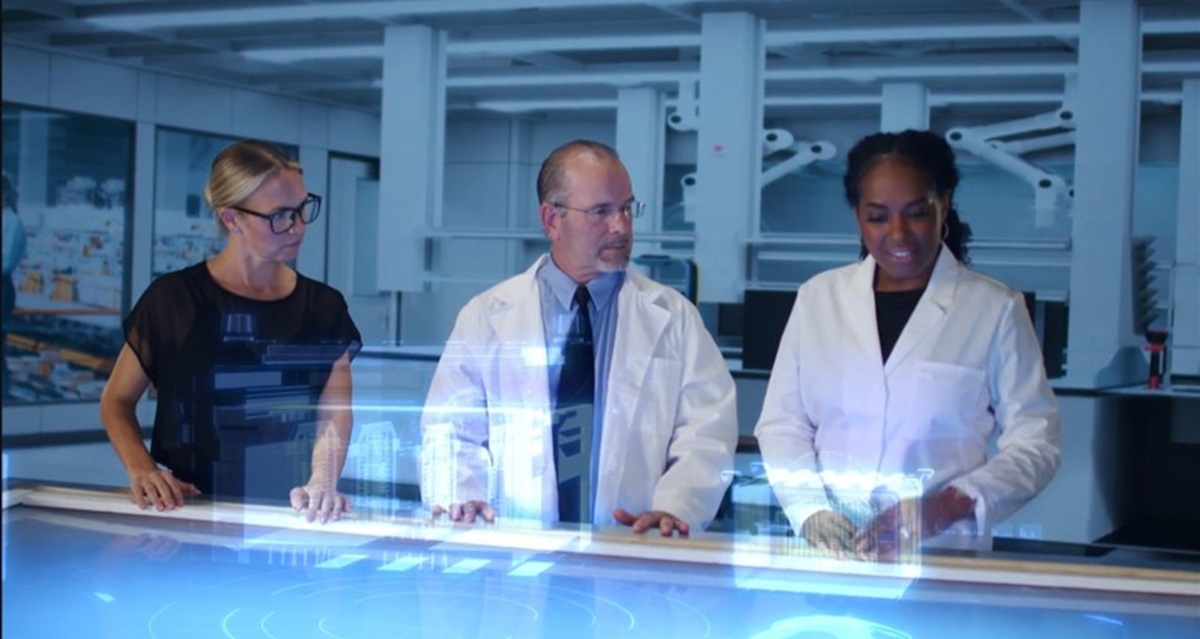
Three engineers working on innovation for lead battery recycling and the circular lifecycle of lead batteries.

ABR members are continually exploring innovative ways to enhance the sustainability of lead batteries and the recycling process. Through strategic partnerships with the U.S. government, universities, and national laboratories, they collaborate on cutting-edge research to drive technological advancements. These innovations not only result in more powerful, longer-lasting energy storage solutions but also bring the industry closer to achieving a zero-waste product. By working with key stakeholders, the industry is advancing in areas such as resource efficiency and recycling technology. These efforts strengthen lead batteries’ role as a leading example of the circular economy, demonstrating how sustainable design and recycling can effectively work together to minimize waste and maximize resource efficiency.

Watch the Journey: Lead Battery Recycling in Action

This America Recycles Day, we invite you to explore our exclusive Circular Economy video — a comprehensive look at how the lead battery industry closes the loop, illustrating a remarkable circular economy example in action. This engaging video follows the journey from design and innovation to recycling, showing how ABR members use innovative processes to reclaim and repurpose materials, turning old batteries into essential resources for new products. Witness how the lead battery industry leads the way in sustainability and learn how your everyday choices contribute to a healthier planet.

A Shared Mission for a Greener Future

The lead battery industry’s commitment to recycling is part of a larger mission to protect resources and meet the rising demand for energy in an environmentally responsible way. As America Recycles Day reminds us, recycling is not just an action — it’s a pledge to protect our planet for future generations. By recycling lead batteries, we help reduce waste, lower emissions, and conserve resources, supporting a cleaner, greener future.

ABR members are are proud to be part of this mission. Together with consumers, retailers, manufacturers, and policymakers, we are driving a successful circular economy example that keeps critical materials in circulation, reduces environmental impact, and powers progress across the U.S.

This America Recycles Day, join us in celebrating the transformative power of recycling. Let’s keep moving forward, one battery at a time, toward a more sustainable world.

Posted in: News

Tags:

The Lifecycle of a Lead Battery — A Story of Unmatched Sustainability

November 11, 2024

Blue graphic with text on the lifecycle of lead batteries.

For more than 100 years, the lead battery has provided essential power to keep us moving, connected, and protected. It’s the often-overlooked workhorse that powers our daily lives and economy. From vehicles to renewable energy storage systems to backup power for data centers, hospitals, and other critical infrastructure, we rely on lead batteries every day to power 30% of our global energy storage needs.

Not to mention, with an incredible 99% recycling rate in the U.S., the lead battery industry is a trailblazer in sustainability — leading the way as a model circular economy for other industries. Association of Battery Recyclers (ABR) member companies are a critical link in this closed-loop value chain by responsibly recycling more than 160 million used batteries each year — turning discarded lead battery components into highly valuable, raw materials for new products.

To better understand how the domestic lead battery industry has accomplished this amazing feat, let’s take a closer look at the full lifecycle of a lead battery. Watch our new Circular Economy Spotlight video — the first of its kind to dive deep into the circular lifecycle of lead batteries.

Designed to be Recycled

From the start, lead batteries are designed to be recycled. But that doesn’t mean they aren’t technologically advanced. Battery manufacturers are continually innovating, developing new technology to improve performance and extend the lifecycle of each battery. In fact, the life expectancy of lead batteries has increased by up to 50% or more over the past 20 years.

Engineered for Endless Renewal

Did you know the three main components of a lead battery are 100% recyclable? Using components made of materials that can be recycled repeatedly not only keeps these materials out of landfills, it ensures a continuous supply of valuable metal and materials that are remanufactured into new batteries. More than 90% of lead batteries sold in the U.S. are produced in North America.

Collage with images of applications in the lifecycle of lead batteries supporting our everyday lives.

Enabling Nearly Every Industry

Lead batteries play an important role in powering our daily lives and the U.S. economy. They are used in nearly every vehicle, factory, warehouse, data center, medical facility, and utility — keeping us moving, connected, and protected all day, every day.

Convenient Collection Sites

When it comes to recycling lead batteries, the industry has worked hard with manufacturers, retailers, recyclers, and government agencies to ensure there are no excuses. With a network of more than 300,000 collection sites in the U.S., recycling lead batteries is convenient for everyone. And because nearly all the materials in spent lead batteries have value, recycling is incentivized for businesses and consumers.

Nearly 100% Recyclable

Inevitably, all lead batteries will reach end-of-life. When the time comes, ABR member companies are here to ensure they are recycled responsibly  — turning discarded lead battery components into highly valuable, raw materials for new products.

Spent lead batteries are broken down and the materials are separated. Reclaimed lead, which is endlessly recyclable, is smelted, refined, and reused in new batteries. The reclaimed plastic pieces are washed and recycled into pellets to be reused in the manufacturing of new battery cases. Reclaimed acid is either neutralized and reused in the recycling process or reclaimed for manufacturing new batteries.

ABR Members Meet Critical Demand

It’s no accident that lead batteries are the #1 most recycled consumer product in the U.S. It’s a carefully choreographed collaboration between the lead battery industry and consumers to close the loop and create a fully sustainable circular economy. Every day, hundreds of semi-trailers filled with spent batteries make their way to cutting-edge recycling facilities. As a result, U.S. lead battery recyclers are able to meet 59% of domestic lead demand — ensuring manufacturers have a continuous supply of the resources they need to help power progress and provide energy security.

Powering a Sustainable Future

As we look to a more sustainable future, the lead battery industry stands out as a model of the circular economy in action. Through continuous innovation and responsible recycling, ABR member companies ensure that lead batteries not only power our present but are also poised to meet the energy demands of tomorrow. By choosing lead batteries and supporting recycling efforts, we all contribute to a greener planet—one that benefits from an endlessly renewable supply of vital resources. Together, we can keep closing the loop for a cleaner, more sustainable world.

Posted in: News

Tags:

Skip to content