WELCOME TO OUR BLOG

Battery Day 2026: Yesterday’s Batteries. Tomorrow’s Power.

February 16, 2026

ABR Battery Day Logo Feb 18

Every February 18, we pause to appreciate something most people never think about: the humble lead battery. It sits quietly under the hood. It stands ready in hospitals, data centers, telecom facilities, and energy‑storage hubs. It powers forklifts through another shift, often unnoticed but always essential.

But this year feels different.

This year, for the first time, the federal government officially recognizes what we’ve known all along. Lead is a critical mineral. And the work happening across lead battery recycling facilities isn’t simply recycling — it’s critical minerals recoverydomestic supply security, and national infrastructure protection.
ABR Battery Day Logo Feb 18

The Tagline That Says It All

When we created the new Battery Day logo, we set out to capture the reality of what happens inside recycling facilities every day.

Because it really is remarkable.

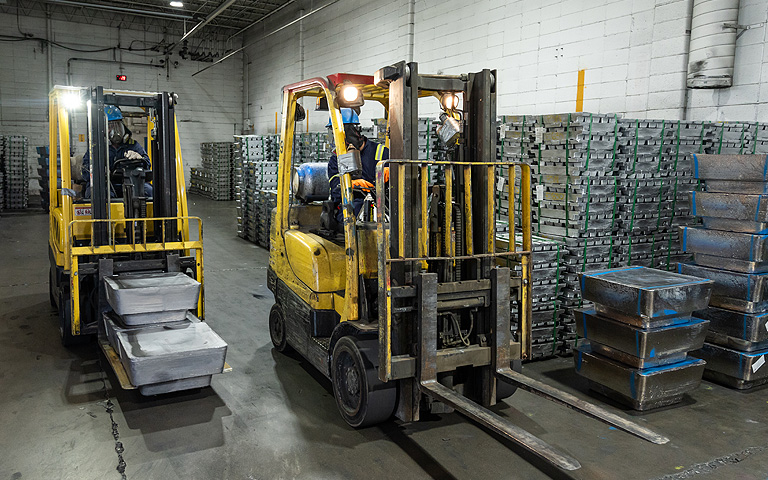
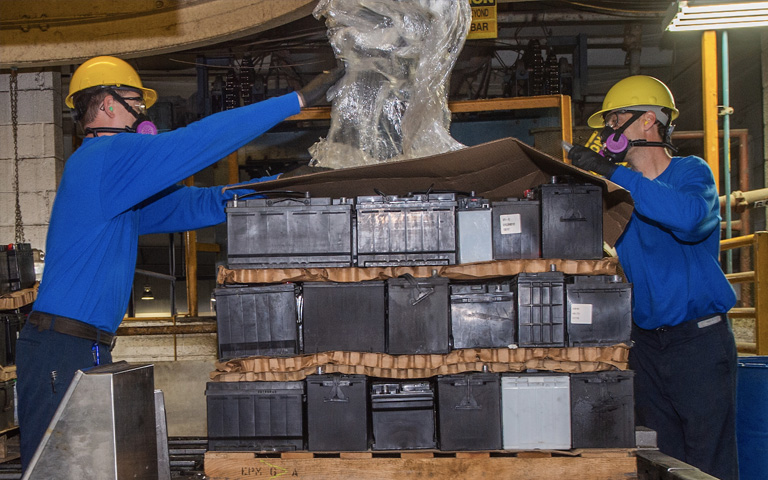
A worn‑out battery arrives at a recycling plant. Through precise chemistry, high‑temperature processing, and deep technical expertise, it’s transformed back into critical minerals: lead, antimony, and tin.

Those materials flow directly to manufacturers who build new batteries — batteries that will power cars, stabilize the grid, support emergency systems, and keep essential facilities operating.

Most people will never realize that materials inside their new battery have likely been doing this work for decades.

Infinite cycles. Zero degradation. The same critical minerals, repurposed again and again.

If that’s not tomorrow’s power, what is?

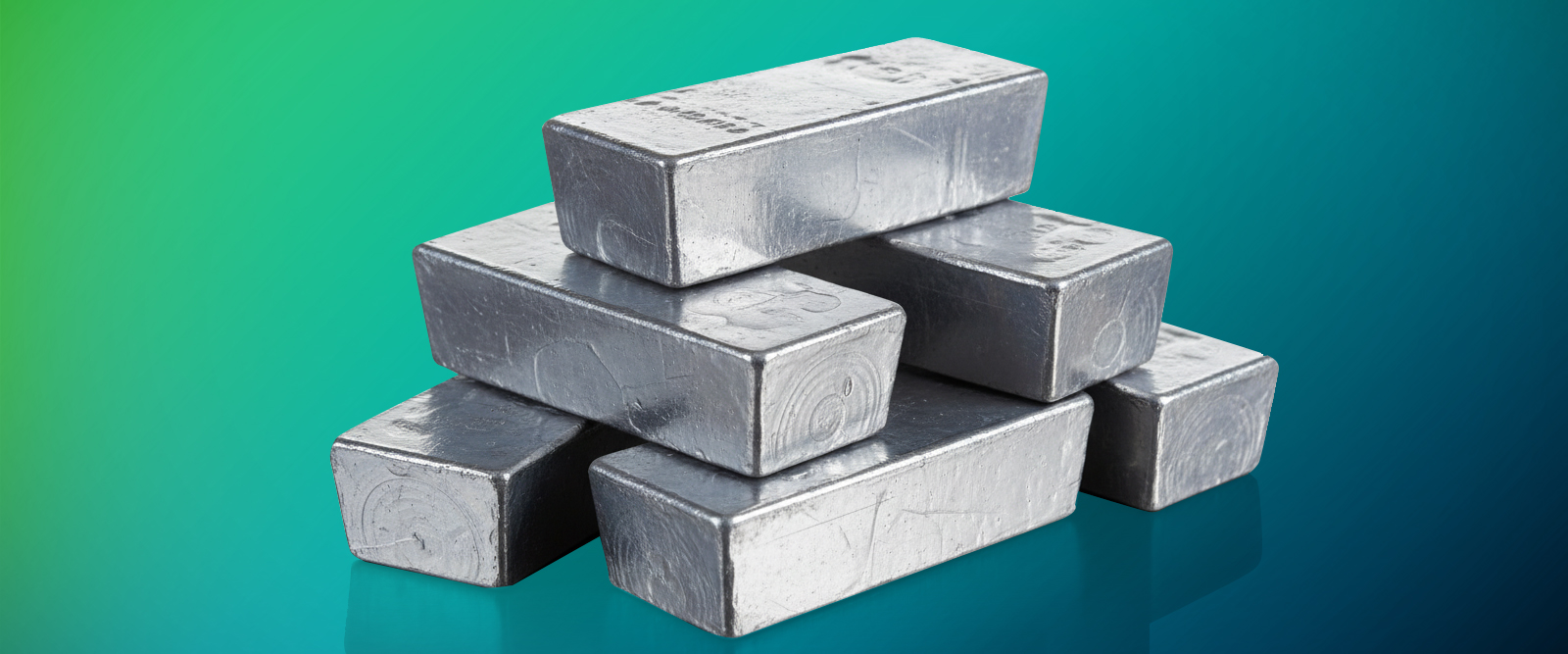
Stack of lead ingots, a U.S. critical mineral.

Why This Battery Day Matters More Than Ever

This year’s Battery Day lands at a pivotal moment.

Lead has been formally designated on the federal Critical Minerals List. Global antimony restrictions have revealed how fragile supply chains can be. AI growth is reshaping electricity demand. And conversations about grid resilience, backup power, and domestic manufacturing are happening at every level of government and industry.

But maybe the shift is even simpler.

Maybe people are finally realizing what this industry has always understood:

You can’t build new batteries without the materials recovered from old ones.

Domestic supply security isn’t an abstract policy concept; it’s the daily output of America’s lead battery recyclers.

To Everyone Who Makes This Possible

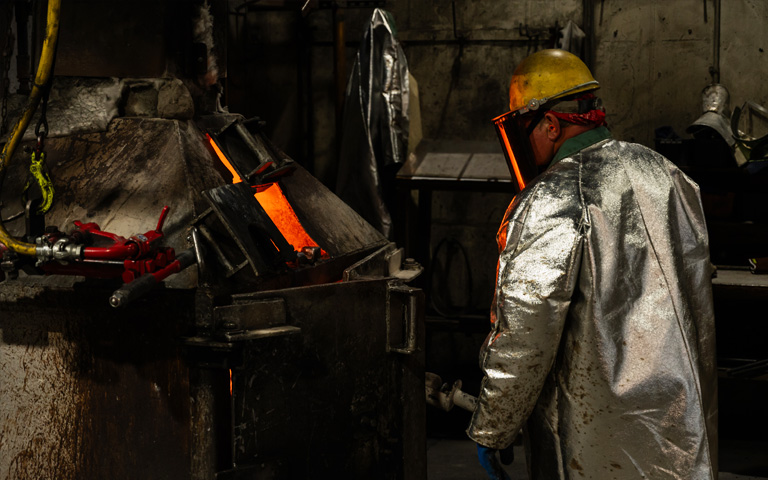
To the operators managing furnaces at precise temperatures to recover three critical minerals at once.
To the drivers collecting batteries from hundreds of thousands of locations across the country.
To the engineers who continually refine and improve recovery processes.
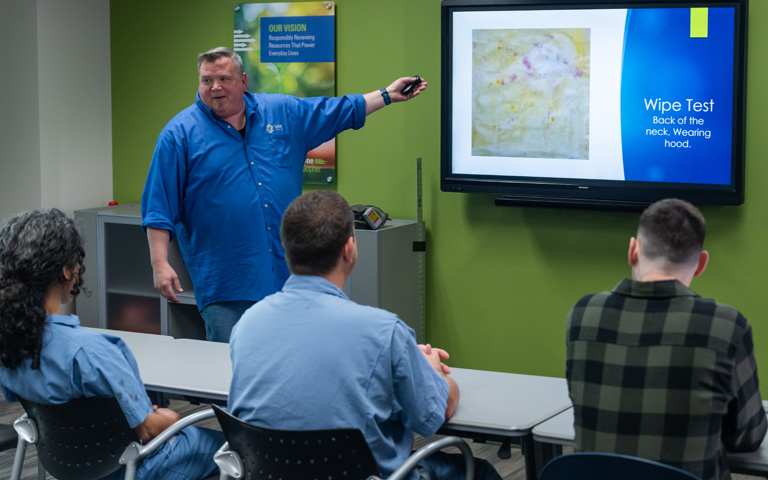
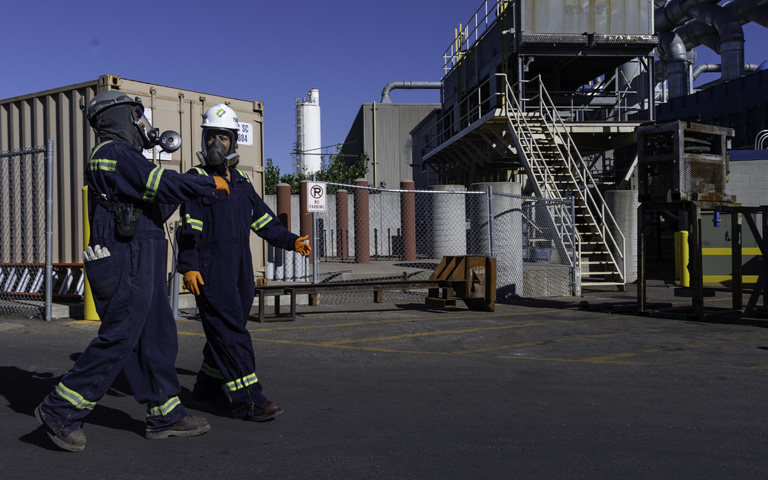
To the safety teams ensuring every shift ends with everyone going home healthy.
To the business leaders navigating complex regulations while keeping materials flowing to manufacturers.

This Battery Day, we recognize you.

Your work recovers the critical minerals that power tomorrow — the data centers running AI, the hospitals protecting patients, the forklifts moving essential goods, the vehicles starting on cold mornings, the emergency systems standing ready when the grid falters.

Every one of those applications depends on lead batteries.
And every lead battery depends on the minerals you recover from yesterday’s batteries.

You’re not only in the recycling business.
You’re in the critical minerals business.
You’re in the supply‑security business.
You’re in the tomorrow business.

The Circle Continues

Somewhere right now, a car won’t start. A driver will call for help, get a jump, and head to an auto parts store. A new battery will go in. The old one will be collected, shipped to a recycling facility, and begin its next journey — the next chapter in a process that has powered America for generations.

Yesterday’s battery becomes tomorrow’s power.

The circle continues because you make it possible.

Happy Battery Day from everyone at ABR.
And thank you — truly — for the critical work you do every day.

Posted in: News

Tags:

Lead Joins Critical Minerals List: A Milestone for Battery Recycling

February 11, 2026

Lead ore and ingots announcing lead joining the U.S. critical minerals list.

The U.S. Geological Survey announced major news in November 2025: lead has been added to the Final 2025 List of Critical Minerals. For ABR members, this designation validates what we’ve always known—battery recycling is essential infrastructure that secures America’s domestic supply of critical materials.

This isn’t just symbolic recognition. Lead joins 59 other minerals deemed essential to economic and national security while facing supply chain vulnerabilities. The designation opens doors for recycling infrastructure to receive appropriate recognition in federal investment programs, supply chain assessments, and policy frameworks.

Why This Matters Now

The U.S. produces zero primary lead. Lead concentrates from domestic mines are exported for processing. Without battery recycling, we would depend entirely on foreign imports for a material that powers nearly 300 million vehicles, hospital backup systems, military installations, and critical infrastructure nationwide.

U.S. lead battery recycling supplies 70% of domestic lead demand by recovering materials from over 160 million batteries annually at a 99% recycling rate. We’re not just recycling batteries—we’re operating the domestic recovery infrastructure that keeps America’s essential systems running.

A Real-World Test of Supply Chain Resilience

The strategic importance of domestic recycling became clear in December 2024 when China imposed export restrictions on antimony—another critical mineral recovered during battery recycling. Antimony prices doubled overnight. Industries dependent on Chinese imports faced immediate uncertainty.

Lead battery recyclers continued operations, recovering antimony alongside lead and tin from the same recycling stream. When foreign supply chains failed, domestic infrastructure proved its reliability.

The Export Challenge

However, unlawful exports of spent lead batteries threaten this domestic supply security. These exports allow critical minerals—lead, antimony, and tin—to leave the United States and North America circular economy, undermining the infrastructure ABR members have built.

Curtailing unlawful exports would allow current recycling facilities to operate at full capacity and encourage investment in future expansion. Enforcing existing regulations protects the critical minerals infrastructure that keeps America’s essential systems running.

What Comes Next

Critical minerals designation informs federal investment priorities, trade policy, workforce development, and research funding. Lead’s inclusion creates opportunities for the recycling sector to participate in conversations traditionally dominated by mining interests.

This recognition matters because when an industry supplies 70% of domestic demand for a critical mineral while achieving the highest recycling rate of any consumer product, it deserves acknowledgment proportional to its contribution.

For ABR members, the work continues as it always has—recovering critical minerals, supporting domestic manufacturing, and proving that circular economy infrastructure delivers both environmental and strategic value.

Dive Deeper into Critical Minerals Recovery

Want to understand the full scope of critical minerals recovery through battery recycling? Visit our new webpage: Critical Minerals & Battery Recycling to explore how the industry secures a domestic supply of lead, antimony, and tin while supporting communities nationwide.

Posted in: News

Tags:

Skip to content